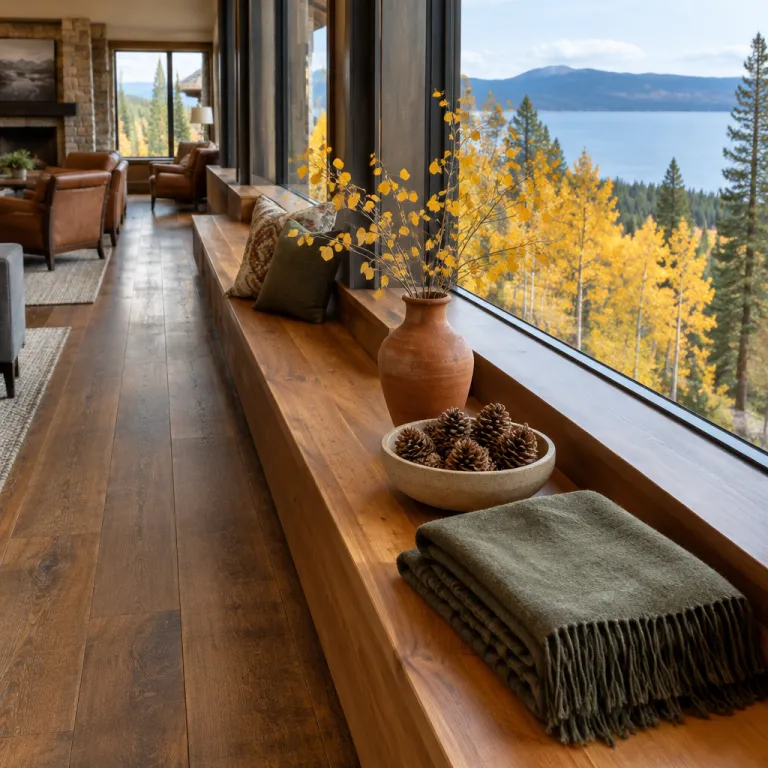
Why tahoe fall colors matter when choosing your hotel
Lake Tahoe in fall offers a short, spectacular window of color. During this time the tahoe fall colors around the lake shift from deep green to gold, amber, and russet, creating a natural backdrop that should influence where you book your room. If you choose a hotel that understands this seasonal rhythm, your stay becomes a curated experience rather than just a place to sleep.
The region’s fall foliage is driven by deciduous trees such as quaking aspen, cottonwood, black oak, willow, and serviceberry shrubs that respond to cooler nights and shorter days. Because high elevations around lake tahoe change first, a hotel near higher meadows or above the highway corridors can give you earlier access to peak fall colors and more dramatic views. Lower elevation properties closer to the lake shoreline often hold onto their foliage longer, which can extend your leaf peeping season by several days.
Peak tahoe fall colors usually arrive from late September into the first half of October, although the exact time shifts slightly each year with weather patterns. Official foliage reports note that the typical peak in South Lake Tahoe falls within the first two weeks of October, and that the best viewing window in South Lake Tahoe spans roughly nine days. When you evaluate hotels, ask how their location aligns with this timing and which nearby trail networks, meadows, or creek corridors they recommend for a quick sunrise or sunset walk.
Designing seasonal décor: how top hotels echo the landscape
Thoughtful hotels around lake tahoe increasingly design their autumn décor to mirror the surrounding fall foliage. In guest lounges you may see textiles that pick up the same colors as the quaking aspen and cottonwood leaves that glow above each creek and along the lake shore. This visual continuity between interior design and exterior views helps you feel immersed in the season from the moment you arrive.
Properties near North Lake Tahoe and South Lake Tahoe often use local materials such as reclaimed wood, river stone, and wool to echo the textures of nearby meadows and forest trail systems. A refined tahoe guide to décor will highlight how art pieces reference specific places, such as Hope Valley’s aspen groves, Fallen Leaf Lake’s mirrored fall color, or the willows along Taylor Creek that turn pale yellow beside the water. When a hotel team understands these locations, they can curate artwork and photography that celebrate the best views you will see on the road or during a hike.
Some hotels coordinate seasonal floral arrangements and table settings with the tahoe fall colors visible from their windows. You might notice centerpieces inspired by foliage lake reflections, with deep reds recalling serviceberry shrubs and russet tones reminiscent of black oak on the slopes above the highway. Ask whether the décor changes over time as the elevation gain of color moves from higher ridges down to the lake, because this shows a genuine commitment to aligning the interior atmosphere with the evolving landscape.
North lake, south lake, and where décor meets the view
The choice between North Lake Tahoe and South Lake Tahoe shapes both your fall foliage access and the style of hotel décor you will encounter. Around north lake, especially near Tahoe City, Incline Village, and Sand Harbor, many properties lean into serene, lake facing designs that frame long views of water and distant slopes brushed with fall colors. These hotels often emphasize quiet lounges and terraces where you can watch the light change over the lake at any time of day.
In the south, hotels near the main road corridors combine access to live music, dining, and casinos with quick drives to classic foliage spots such as Hope Valley, Fallen Leaf Lake, and Taylor Creek. Décor here may feel slightly more energetic, with public spaces designed for guests returning from a hike or a scenic highway drive to relax before an evening out. When you compare options, consider whether you prefer a calm, contemplative environment that mirrors the stillness of a leaf lake at dawn, or a livelier base that pairs fall color excursions with nightlife.
Both north and south lake areas offer properties that integrate local photography of tahoe fall colors, including images from Spooner Lake, Sand Harbor, and meadows above Truckee to the north. Ask whether your chosen hotel features rotating exhibits that follow the progression of fall foliage around the lake, from early color at higher elevation gain zones to later displays near the shoreline. This kind of curated visual tahoe guide inside the property can help you decide which trail or road to explore next morning.
Rooms with a view: aligning décor, windows, and nearby trails
When you book a hotel for tahoe fall colors, the orientation of your room matters as much as the décor. A lake facing room with large windows can frame both sunrise light on the water and the changing fall foliage on opposite slopes, turning your stay into a private viewing platform. Ask specifically which room categories offer the best views of meadows, forested hillsides, or a nearby creek corridor where cottonwoods and willows turn yellow.
Hotels near Spooner Lake, Sand Harbor, or Incline Village often highlight minimalist interiors that allow the exterior colors to dominate the visual experience. In contrast, properties closer to Hope Valley or Fallen Leaf Lake may use warmer tones and textured fabrics that echo the dense aspen groves and mixed foliage lake reflections you will see on a short drive. Either approach can work beautifully, provided the design respects the natural palette outside and does not compete with the subtle shifts of fall color over time.
Proximity to a good trail or lakeside path is another key factor when evaluating décor and layout. If a hotel sits within a few miles of a classic hike with modest elevation gain, you can step out early, enjoy the best morning light on the leaves, and return to a lobby whose colors and materials feel like an extension of the landscape. Look for properties that provide printed or digital tahoe guide maps to nearby road pullouts, state park entrances, and quiet leaf lake inlets where you can enjoy the scenery without crowds.
Seasonal programming: how hotels bring tahoe fall colors indoors
Many Lake Tahoe hotels now design seasonal programming that brings the essence of tahoe fall colors into their public spaces. Some host evening tastings or fireside talks where local naturalists explain how aspens, cottonwoods, black oaks, willows, and serviceberry shrubs create the layered fall foliage you see along each highway and trail. These events often coincide with the peak time for color, allowing you to connect what you learn indoors with what you witness outside the next morning.
In South Lake Tahoe, properties close to the main road network may pair live music in the lounge with curated projections of recent photographs from Hope Valley, Fallen Leaf Lake, or Taylor Creek. North lake hotels near Tahoe City or Incline Village sometimes offer guided sunrise walks to nearby meadows or a quiet creek, followed by a breakfast that features seasonal ingredients and décor inspired by the morning’s palette. When you evaluate options, ask whether the hotel adjusts its programming as the year progresses and the color band moves from high ridges down to the lake shore.
Some state park adjacent hotels collaborate with rangers or local photographers to offer short talks on the science of fall color. One widely referenced explanation notes that peak season varies by elevation yearly, that aspen groves dominate golden color displays, and that weather influences timing and vibrancy. When a property integrates this kind of expert insight into its seasonal activities, it signals a deeper respect for the landscape that often extends to more thoughtful décor choices and better guidance on where to find the best views each day.
Practical booking tips: timing, location, and décor details to request
To make the most of tahoe fall colors, plan your booking window carefully. Foliage specialists for the region report that the start of noticeable color often arrives around the first days of October, with the typical peak in South Lake Tahoe occurring by roughly the thirteenth day of the month. Because this best window is short, you should reserve early and confirm that your chosen hotel expects strong color during your stay.
When speaking with reservations teams, ask targeted questions about both décor and access to fall foliage. Request a room on the lake side if possible, or one facing meadows, a creek corridor, or forested slopes rather than the highway or parking areas. Clarify how many miles you will need to drive to reach classic locations such as Hope Valley, Fallen Leaf Lake, Taylor Creek, Spooner Lake, or nearby state park entrances, and whether the hotel can provide a concise tahoe guide to current color conditions.
Finally, pay attention to small design details that can elevate your stay during tahoe fall. Ask whether the lobby or lounge décor shifts with the season, whether they feature local photography of fall colors from both north and south lake areas, and whether any live music or evening events are themed around the landscape. Hotels that invest in these touches usually also understand how to direct you toward quieter trail options, scenic road pullouts, and leaf lake coves where you can enjoy the foliage lake reflections in peace.
Key figures for timing tahoe fall colors
- Typical peak for South Lake Tahoe foliage occurs around the thirteenth day of October, according to regional leaf reporting services, which helps you target the most vivid colors for your hotel stay.
- The best viewing window in South Lake Tahoe usually spans about nine days in early to mid October, meaning that even a long weekend can capture the core of the fall color season.
- Initial noticeable color often begins near the first day of October at higher elevations, so hotels near ridgelines or elevated meadows may see tahoe fall colors several days before lakeside properties.
- Because peak season varies by elevation each year, travelers who book stays of four to five nights can more easily adjust their daily drives and hikes to follow the shifting band of fall foliage.
FAQ about tahoe fall colors and hotel stays
When do tahoe fall colors usually peak around lake tahoe ?
Tahoe foliage typically peaks during the first two weeks of October, with higher elevation areas changing first and lower elevation lake shore zones following several days later. South Lake Tahoe often reaches its most intense fall colors around the middle of this period, while north lake slopes can peak slightly earlier. Because weather can shift timing by a few days each year, it is wise to check current foliage reports before finalizing your hotel dates.
Where are the best places near hotels to see fall foliage ?
Some of the best locations for fall foliage near popular hotel areas include Hope Valley, Fallen Leaf Lake, and the Taylor Creek corridor, all of which are accessible by well maintained road networks. Around north lake, guests often drive to Spooner Lake, Sand Harbor, or meadows above Truckee for expansive views of tahoe fall colors. Many hotels keep updated maps that highlight short hikes with modest elevation gain and scenic pullouts within a few miles of the property.
Which trees create the signature tahoe fall colors ?
The signature tahoe fall colors come primarily from quaking aspen, cottonwood, black oak, willow, and serviceberry shrubs. Aspens and cottonwoods provide the bright gold and yellow tones along creeks, meadows, and lake edges, while black oaks add deeper russet and bronze on the surrounding slopes. Willows and serviceberry shrubs contribute softer yellows and occasional crimson accents, especially in riparian zones near the lake and along smaller creek channels.
How can I choose a hotel that maximizes my foliage experience ?
Choose a hotel that offers rooms facing the lake, forested hillsides, or open meadows rather than busy highway views, and confirm that key foliage locations are within a short drive. Ask whether the property provides a concise tahoe guide to current fall colors, including recommended trail options, state park entrances, and quiet leaf lake inlets. It also helps to select hotels that adjust their décor and seasonal programming to reflect the changing landscape, because this usually indicates a deeper understanding of the region’s fall foliage patterns.
Is midweek better than weekends for enjoying tahoe fall colors ?
Midweek stays generally offer a calmer experience, with fewer cars on the road and more space at popular viewpoints and trailheads. Hotels may have greater room availability and more flexibility with lake facing categories during these quieter days, which can improve your chances of securing the best views. If your schedule allows, plan a Tuesday to Thursday visit during the main fall color window to enjoy both the scenery and the hotel amenities in a more relaxed atmosphere.
Trusted references
- California Fall Color regional reports
- Tahoe National Forest visitor information
- Lake Tahoe Visitors Authority seasonal planning resources