Compare North and South Lake Tahoe hotels with Los Angeles and San Francisco stays. Discover where to book for lake views, ski access, quiet retreats, and California itineraries that balance cities with mountain calm.
Lake Tahoe versus the classic California dream
Pine-scented air, not palm trees, is what greets you first in Lake Tahoe. Anyone searching for “hotel California USA” often imagines Los Angeles sunsets or a San Francisco skyline, yet some of the most quietly luxurious escapes sit about 1,900 meters up in the Sierra Nevada, on the Nevada–California border. For a guest choosing between a crowded Southern California beach and a lakeside retreat, Tahoe is the more contemplative option, with dark, starry night skies and water so clear you can see the stones several meters below.
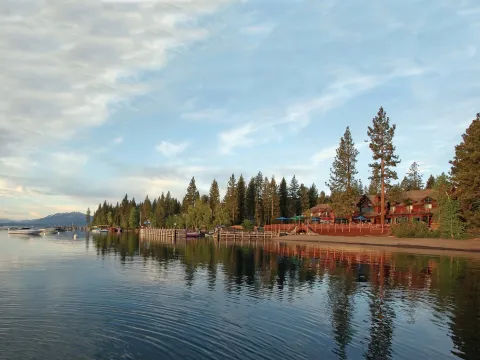
Think of it as a different kind of American coastal-style experience. The lake’s western shore, reached via California State Route 89 from Truckee or Sacramento, offers forested coves and small, low-rise hotels that feel far removed from the urban energy of Los Angeles or San Francisco. You still stay in the United States, of course, but the mood is closer to an alpine village than to a downtown Los Angeles hotel or a San Francisco Financial District tower. That contrast is precisely what many travelers from the United Kingdom or other long-distance markets now seek: a slower, more elemental California best-of.
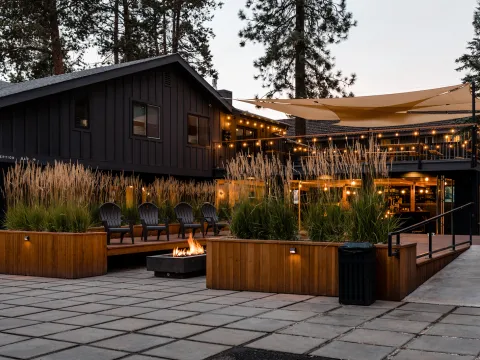
For someone comparing top hotels across the states, Lake Tahoe stands out less for flashy lobbies and more for its setting. The main content of your decision is simple: do you want to wake up to traffic or to the sound of waves against granite boulders? If the answer is the latter, this region is a good choice, especially for guests who value landscape over nightlife and prefer a glass of wine by the fire to a crowded bar in downtown Los Angeles.
North Lake Tahoe: quiet refinement and lake panoramas
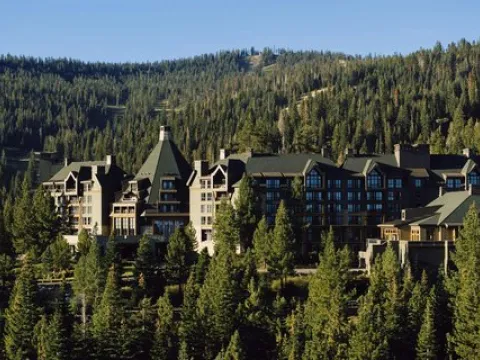
On the north shore, around Tahoe City, Kings Beach, and Incline Village, hotels tend to favor calm over spectacle. Many properties sit just off North Lake Boulevard or Lakeshore Boulevard, with rooms angled toward the water so that even standard categories capture a slice of blue. You will not find the kind of towering, glass-fronted buildings that dominate popular American city skylines; instead, low-profile lodges and mid-size hotels blend into the pines. It suits travelers who thought they wanted a big-city California hotel, then realized they preferred to hear the wind in the trees.
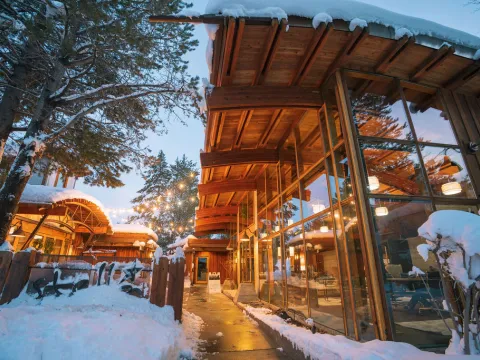
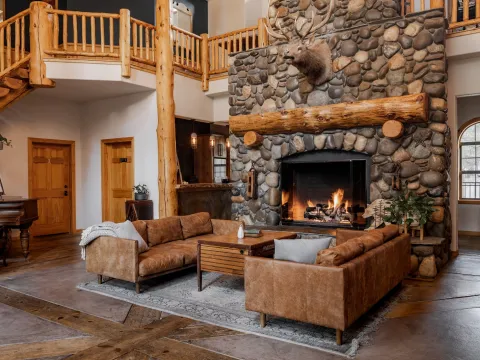
Rooms here often lean into natural materials. Expect wood beams, stone fireplaces, and large windows rather than neon lighting or glossy, urban styling. For singles traveling alone, this side of the lake feels safe and self-contained, with compact town centers where you can walk from your hotel to the shoreline in a few minutes. Couples usually appreciate the quieter evenings, when the lake darkens and the last light fades behind the peaks above the Truckee River corridor.
Compared with Southern California, where a Los Angeles hotel might emphasize rooftop pools and city views, North Lake Tahoe’s luxury is more understated. The best stays focus on direct lake access, thoughtful service, and easy drives to trailheads or ski lifts such as Palisades Tahoe and Northstar California, both roughly 20–35 minutes from most north-shore bases. Guests who value early mornings on the water, rather than late-night entertainment, tend to find this area the better fit. If your idea of hotel California comfort is a balcony, a blanket, and a clear horizon, this is where to look first.
South Lake Tahoe: energy, entertainment, and ski access
South Lake Tahoe, straddling the California–Nevada line near Stateline, feels like a different destination altogether. Here, the main strip along Lake Tahoe Boulevard is lined with larger hotels, Nevada-side casinos such as Harrah’s Lake Tahoe and Hard Rock Hotel & Casino, and a denser cluster of restaurants and bars. Guests who might otherwise choose a popular Los Angeles or Santa Monica address often end up here instead, drawn by the combination of lake views and a more animated atmosphere. It is the closest the region comes to a classic American resort town.
For travelers who enjoy a lively night scene, this is the logical base. You can spend the day on the slopes above Heavenly Village, then walk back to your hotel for dinner, live music, or a late drink. Singles and groups of friends tend to prefer this side of the lake, where you can step out of the lobby and immediately be in the middle of the action. The trade-off is obvious: more convenience and entertainment, less seclusion and silence.
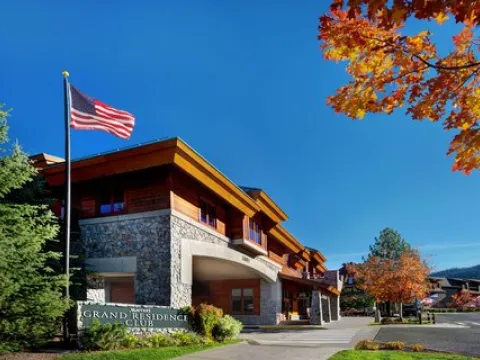
Compared with a downtown San Francisco hotel or a Hollywood hotel in Los Angeles, South Lake Tahoe’s properties feel more compact, more vertical, but still framed by mountains rather than skyscrapers. The best-located hotels sit within a few hundred meters of the Heavenly gondola, which matters if you are carrying skis or snowboards. If you are coming from elsewhere in the United States for a winter trip, this area offers the most straightforward combination of accommodation, lifts, and dining without long-distance driving once you arrive.
What to expect inside: rooms, views, and atmosphere
Step into a Lake Tahoe hotel and the first impression is usually warmth. Not just in temperature, but in palette: deep woods, stone, and soft lighting rather than the stark white minimalism you might find in some coastal California best addresses. Many rooms prioritize views, with large windows framing either the lake or the surrounding forest. Even in mid-range properties, it is common to find balconies or patios, which become prized spaces at sunrise and sunset.
Room categories typically range from compact doubles to larger suites with separate living areas. Families often choose interconnecting rooms or small apartment-style layouts, while singles might opt for a lake-view king room that feels indulgent without being excessive. The atmosphere is generally relaxed and unpretentious, even in the more premium hotels; guests come back from hikes in trail shoes, not in evening wear. That said, you can still expect the polished, efficient service associated with top American mountain resorts.
Compared with urban hotels in Los Angeles or San Francisco, you will notice fewer high-tech distractions and more emphasis on tactile comfort. Thick duvets for cold nights, generous armchairs by the window, and, in many cases, fireplaces that become the natural gathering point after dark. If you are used to the constant background noise of a city hotel California stay, the quiet here can feel almost luxurious in itself. For many guests, that silence is the main reason to come.
Choosing the right area around the lake
Decision-making in Lake Tahoe is largely geographic. Where you stay shapes your entire experience more than the specific brand or décor. On the west shore, between Tahoe City and Emerald Bay, hotels and lakeside inns are more scattered, often tucked into forested plots along Highway 89. This suits travelers who want to feel immersed in nature, with easy access to trailheads and viewpoints like Eagle Falls, roughly 13 km from the Tahoe City marina and about a 20-minute drive in light traffic. Nights are dark, quiet, and star-filled.
North shore towns such as Incline Village and Kings Beach offer a middle ground. You get small commercial centers, a handful of hotels within walking distance of the lake, and a slightly more residential feel. Guests who thought they needed constant entertainment often discover that a lakeside walk at dusk and a good dinner are enough. It is a softer, more local rhythm than you would find in a major American city, but not as remote as the west shore.
South Lake Tahoe, by contrast, concentrates services and infrastructure. If you are arriving from far across the United States or even from the United Kingdom, this can be the most practical base, especially in winter. You minimize driving on snowy roads and maximize time on the slopes or by the water. The trade-off is that you share the experience with more people; popular hotels here feel busy in peak season, with guests coming and going late into the night. Decide which you value more, solitude or convenience, before you book.
Who Lake Tahoe hotels suit best
Travelers who prioritize landscape over landmarks are the ones who fall hardest for Lake Tahoe. If your idea of the ideal hotel California USA getaway is a quiet room, a view of deep blue water, and a trail starting within a short drive, this region delivers consistently. Couples, in particular, appreciate the combination of outdoor activity by day and intimate, low-key evenings. There is romance in the simple things here: a shared blanket on a lakeside bench, the crunch of snow underfoot on a short night walk back to the hotel.
Families also find Tahoe practical. Many hotels offer flexible room configurations, easy parking, and straightforward access to beaches or ski areas, which simplifies logistics with children. Compared with a dense urban stay in Los Angeles or San Francisco, you spend less time navigating traffic and more time actually doing things together. The environment itself becomes the main attraction, which often suits younger guests better than museums or long city tours.
Solo travelers and singles are not left out. South Lake Tahoe, with its bars, live music venues, and busier promenades, offers more opportunities to meet other guests and locals. Those who enjoy a bit of nightlife without the intensity of a major city find a good balance here. For visitors used to the constant motion of the states’ big metros, Tahoe feels like a deliberate pause. Not an escape from the United States, but a reminder that American getaways can be about stillness as much as spectacle.
Practical booking tips for Lake Tahoe stays
Seasonality dictates almost everything in Lake Tahoe. Winter brings skiers and snowboarders to the surrounding resorts, while summer attracts swimmers, hikers, and boaters. When you compare hotels, pay close attention to how close they are to what you plan to do most. A property near the Heavenly gondola in South Lake Tahoe is ideal for a ski-focused trip, whereas a lakeside hotel on the north shore might be better if you plan to spend long days on the beach or on the water. Distances around the lake can be deceptive; a drive that looks short on the map can take longer on winding mountain roads.
Room orientation matters more here than in many urban destinations. A lake-facing room can transform the experience, especially if you plan to spend quiet time in your space. When reading descriptions, look for clear mentions of lake views, mountain views, or forest outlooks, and do not assume that every room in a lakeside property faces the water. For light-sensitive guests, it is also worth noting whether blackout curtains are mentioned, as the early morning sun over the ridges can be surprisingly bright.
Finally, consider your broader California itinerary. Many visitors combine Lake Tahoe with a stay in San Francisco, the Napa Valley, or a road trip down to Southern California coastal cities, linking the mountains with the Pacific. If you are planning such a long-distance journey across the states, think about pacing; two or three nights in a calm Tahoe hotel between busier city stops can reset your energy. In that sense, the lake becomes the quiet center of a wider American circuit, a place where you can, quite literally, skip the main urban rush and listen to the water instead.
Is Lake Tahoe a good alternative to Los Angeles or San Francisco for a California getaway?
Lake Tahoe is an excellent alternative to Los Angeles or San Francisco if you value nature, quiet, and outdoor activities over urban culture and nightlife. You trade museums, dense neighborhoods, and iconic city landmarks for alpine scenery, clear water, and a slower rhythm. For many travelers, combining a few nights in Tahoe with time in one or two major California cities offers the most balanced experience.
Which side of Lake Tahoe is better for first-time visitors?
South Lake Tahoe is usually better for first-time visitors who want convenience, a range of hotels, and easy access to restaurants, bars, and ski lifts. North Lake Tahoe and the west shore suit travelers who prefer a calmer atmosphere and more direct immersion in nature. If you are unsure, South Lake Tahoe provides a straightforward introduction, especially in winter.
How many nights should I plan for a Lake Tahoe hotel stay?
A stay of three to four nights works well for most visitors. That gives you time to settle in, enjoy at least two full days of activities, and still have a quieter day to simply relax by the lake. Shorter stays can feel rushed, especially if you are arriving from another part of the United States or from overseas.
Is Lake Tahoe suitable for solo travelers and singles?
Lake Tahoe is well suited to solo travelers and singles, particularly those who enjoy outdoor activities. South Lake Tahoe offers more social opportunities, with bars, live music, and a busier promenade, while the north shore and west shore provide solitude and reflection. Choosing the right area based on your social preferences is more important than the specific hotel brand.
Can I combine Lake Tahoe with other California destinations in one trip?
Many travelers combine Lake Tahoe with San Francisco, the Napa Valley, or Southern California coastal cities in a single itinerary. The lake works well as a restorative pause between busier urban stops. Planning your route carefully, especially in winter when mountain passes can be affected by snow, ensures that the long-distance drives remain part of the pleasure rather than a chore.