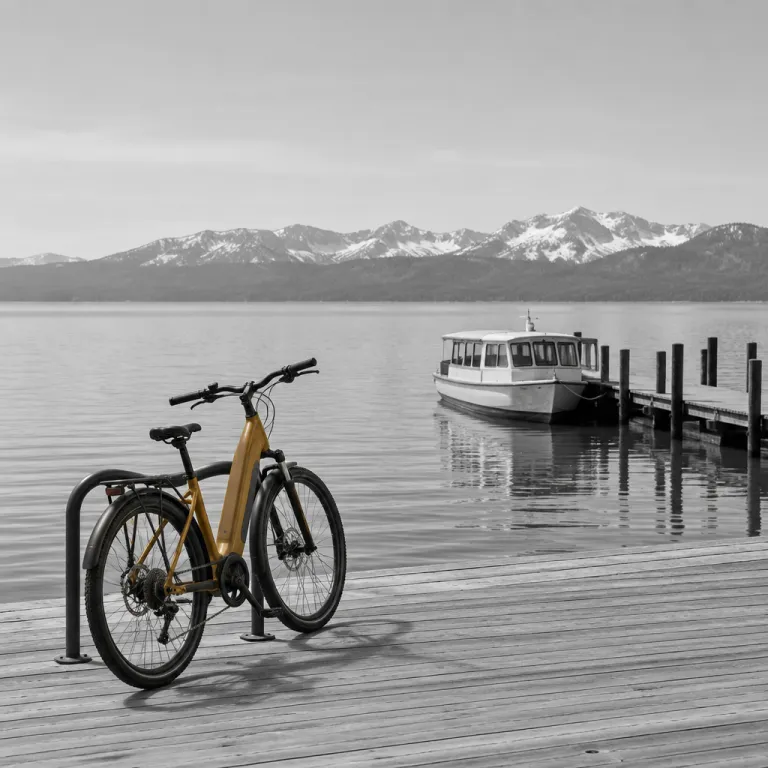
Understanding Lake Tahoe local transportation options from your hotel
Lake Tahoe local transportation options shape how you experience the lake. When you book a hotel in south or north areas of Tahoe, the way you move between shore, trail, and town will define each ride and every view. Choosing the right mix of shuttles, public transit, and park-and-ride services before you arrive helps you keep Tahoe relaxed, efficient, and surprisingly car free.
Most visitors still arrive by car from the Bay Area, then quickly realise that parking near the lake and in each park can be limited and expensive. That is why the region has invested heavily in public transit, seasonal shuttles, and flexible park-and-ride schemes that link hotels with the south shore, north shore, and the quieter bays. Once you understand how each shuttle service and transit line connects to your hotel, you can plan adventure packages for hikers and bikers that feel seamless from lobby to trail.
Think of transportation in Lake Tahoe as a layered network rather than a single shuttle. You have regional public transit such as Tahoe Truckee Area Regional Transit, branded as TART, that links Truckee, Olympic Valley, and the north shore with frequent buses. Around South Lake and the California side of the south shore, hotel guests can rely on local shuttles, app based services, and Lake Link style microtransit that complement traditional taxis and ride hailing cars.
South shore shuttles, Lake Link, and hotel based access to trails
For guests staying in South Lake, the most practical Lake Tahoe transit choices often start right at the hotel porte cochère. Many larger properties on the south shore operate their own shuttle service to Stateline casinos, Heavenly Village, and key park-and-ride hubs, which means you can leave the car in hotel parking and still reach the lake within minutes. This hotel to hub pattern is especially valuable if you plan to hike popular routes or join adventure packages for hikers and bikers.
One of the most talked about services is Lake Link, an on demand, free microtransit system that operates around South Lake and Stateline. You request a ride through a simple download app process, then share a shuttle with other passengers heading toward similar destinations along the shore or into town. Lake Link shuttles typically run from morning into late evening during peak seasons (for example, 7 a.m. to 9 p.m. in summer 2023, according to city service notices), and they are designed to reduce car traffic, support public transit, and keep Tahoe blue by cutting emissions on busy corridors.
From many south shore hotels, Lake Link and other shuttles connect you to trail access points without the stress of finding parking at dawn. This is particularly useful for Emerald Bay hikes, where the road is narrow, the park fills early, and a missed space can cost you an hour of circling by car. California State Parks advisories note that Emerald Bay lots can reach capacity shortly after sunrise on peak summer weekends, which is why hotel shuttles and bay connectors are strongly encouraged. If you are planning hotel stays around specific hikes, use a dedicated guide to Lake Tahoe hiking trails and hotels to match your stay with the best trailheads and the most convenient transportation options for each outing.
North shore, TART, and TART Connect for hikers and bikers
The north shore of Lake Tahoe offers a different rhythm, with quieter coves and a strong focus on trail access. Here, the backbone of Lake Tahoe local transportation options is the TART bus network, which runs along the north shore corridor between Tahoe City, Kings Beach, and Truckee. For hotel guests, TART provides reliable public transit that links lodging with trailheads, beaches, and Olympic Valley without needing a car every day.
Complementing the main TART routes is TART Connect, a free, on demand shuttle that operates in defined zones around the north shore communities. You simply download app instructions, choose your pick up point near your hotel, and share a ride with others heading toward the lake, a park, or a nearby village. TART Connect shuttles are particularly appreciated by hikers and bikers who want to reach the Flume Trail, the Tahoe Rim Trail, or lakeside paths without worrying about parking or road congestion. Transit agency updates reported more than 300,000 TART Connect rides in its first full year of operation, showing strong demand for flexible, car free mobility.
Many north shore hotels now highlight TART and TART Connect as core transportation options in their guest information, especially for guests booking adventure packages for hikers and bikers. You can often store a bike securely at the property, then use public transit or a shuttle service to reach the start of the Flume Trail or a Tahoe Rim access point. This combination of hotel amenities, free transit, and flexible shuttles allows you to keep Tahoe blue while maximising time on the trail instead of in a car.
Reaching Emerald Bay, Flume Trail, and Tahoe Rim Trail without driving stress
Iconic routes such as Emerald Bay, the Flume Trail, and the Tahoe Rim Trail attract visitors from across the Bay Area and beyond. These destinations are also where Lake Tahoe local transportation options make the biggest difference to your comfort and safety. Roads are narrow, parking is limited, and demand peaks early, so relying solely on a car can turn a dream hike into a frustrating search for a space.
On the south shore, a mix of public transit, hotel shuttles, and seasonal bay shuttle services help distribute visitors toward Emerald Bay and nearby viewpoints. Some park-and-ride schemes allow you to leave your car at a designated lot, then continue by shuttle service to the trailhead or bay overlook. For example, during busy summer and holiday periods, South Lake hotels near Heavenly Village often direct guests to shared park-and-ride facilities where they can transfer to Emerald Bay shuttles instead of driving Highway 89 themselves. This approach reduces congestion, protects the shoreline, and aligns with long running keep Tahoe blue campaigns that encourage smarter transportation options.
On the north shore, the Flume Trail and Tahoe Rim Trail are best approached with a blend of TART buses, TART Connect shuttles, and commercial bike shuttles that move riders between high elevation trailheads and lakeside hotels. A typical workflow might involve catching a morning TART bus from a Kings Beach hotel to Incline Village, transferring to a bike shuttle up to the Flume Trail trailhead, then riding back toward the lake and using TART Connect to return to your lodging. Many adventure packages for hikers and bikers include a bay shuttle or point to point ride so you can focus on the trail rather than the logistics. When you compare hotels, ask how they integrate with these transportation options, because a well connected property can save you hours on every hiking or biking day.
Designing hotel based adventure packages for hikers and bikers
When you are booking a hotel in Lake Tahoe with hiking or biking in mind, transportation should be part of the package, not an afterthought. A strong adventure package for hikers and bikers will combine secure bike storage, early breakfast, and clear guidance on Lake Tahoe local transportation options for each chosen trail. The best properties also coordinate with shuttle service providers, public transit timetables, and park-and-ride facilities so your daily plan feels effortless.
On the south shore, look for hotels that partner with Lake Link, local shuttles, and bay shuttle operators serving Emerald Bay and nearby parks. For instance, a Stateline casino resort might run a scheduled shuttle to a central transit hub where you can transfer to Lake Link or a seasonal park shuttle, while a smaller lakeside lodge could offer pre-booked rides to specific trailheads on weekends. These hotels often provide printed maps that show where to find each shuttle stop, how to connect with public transit, and which park-and-ride lots are most convenient for your itinerary. Some even bundle free or discounted shuttle rides into their room rates, which can offset parking costs and reduce the need for a rental car.
On the north shore and around Olympic Valley, properties that embrace TART and TART Connect give hikers and bikers a clear advantage. You might stay in a lakeside hotel, then use public transit to reach a Tahoe Rim access point, ride the trail, and return by a different route using a bike shuttle or on demand ride. A number of ski resort hotels now keep their transit partnerships active year round, so the same shuttle stops that serve winter skiers also help summer hikers reach trailheads without driving. For a broader perspective on aligning your lodging with your activities, consult a specialised guide on how to choose Lake Tahoe ski resorts and hotels that match your style, then apply the same thinking to summer trail adventures.
Balancing car use, parking, and sustainable transit during your stay
Many visitors feel they must bring a car to Lake Tahoe, yet they rarely need to drive it every day once they arrive. Lake Tahoe local transportation options now allow you to park the car at your hotel or a long term park-and-ride facility, then rely on shuttles, public transit, and bikes for most outings. This shift not only reduces parking stress but also supports regional goals to keep Tahoe blue and protect the lake.
When you do use a car, plan your parking strategy around park-and-ride hubs, hotel garages, and designated lots near the shore rather than circling busy streets. Combine a short drive with a shuttle service or public transit leg to reach congested areas such as Emerald Bay, South Lake entertainment districts, or compact north shore villages. This hybrid approach mirrors how many Bay Area residents now structure their trips, using the car for regional access and local transit for the final kilometres.
Hotels that take transportation seriously will brief you on all these options at check in, from free shuttles and Lake Link style services to TART Connect zones and bike friendly routes. The Tahoe Regional Planning Agency (TRPA) has repeatedly highlighted that vehicle emissions are a major contributor to air pollution affecting lake clarity, and its reports show that shifting even a fraction of trips from private cars to shared shuttles can make a measurable difference over time. They may also highlight local campaigns that encourage visitors to keep Tahoe clean by reducing unnecessary car trips and idling near the lake. When you evaluate potential properties, treat transportation options as a core amenity, on par with room comfort or lake views, because they will shape every ride, trail day, and shoreline stroll of your stay.
Key statistics on Lake Tahoe transportation and visitation
- Lake Tahoe receives millions of visitor days annually, which places heavy pressure on transportation infrastructure and parking during peak seasons (based on Tahoe Regional Planning Agency summaries); this volume makes shuttles and public transit crucial for managing congestion.
- Regional transit providers around Lake Tahoe have reported notable ridership increases on key routes after the introduction of free services such as TART Connect and similar microtransit offerings (according to local transit agency updates); this trend shows that visitors will choose transit when it is convenient and cost free.
- Analyses from the Tahoe Regional Planning Agency indicate that vehicle emissions are a major contributor to air pollution affecting lake clarity; shifting even a fraction of trips from car to shuttle or bus can significantly support keep Tahoe blue initiatives.
- Parking capacity at popular destinations such as Emerald Bay can be fully occupied shortly after sunrise on peak summer days, leading to illegal parking and safety issues (as noted by California State Parks advisories); using park and ride facilities and shuttle service is strongly recommended for hotel guests.
FAQ about Lake Tahoe local transportation options for hotel guests
Do I need a car if I stay in South Lake Tahoe ?
You can visit South Lake Tahoe without a car if you choose a centrally located hotel and rely on Lake Link, local shuttles, and public transit for most trips. Many properties are within walking distance of the shore, restaurants, and Heavenly Village, with shuttle service filling the gaps. A car is helpful for remote trailheads, but park ride and shuttle options can often replace driving.
How do I reach Emerald Bay from my hotel without driving ?
To reach Emerald Bay without a car, combine local public transit or hotel shuttles with seasonal bay shuttle services that stop near the park. Some south shore hotels provide direct shuttle service to park and ride lots, where you transfer to a dedicated Emerald Bay shuttle. Always check current schedules with your hotel concierge, because services can vary by season and day of the week.
What is TART Connect and how does it help hotel guests ?
TART Connect is a free, on demand microtransit service operating in zones around the north shore and Truckee areas. Hotel guests use a simple download app process to request a ride between local destinations such as beaches, trailheads, and restaurants. It complements the main TART bus routes, reducing the need for a rental car and easing parking pressure near the lake.
Are there bike friendly transportation options for accessing trails ?
Yes, Lake Tahoe offers several bike friendly transportation options, including TART buses with bike racks, dedicated bike shuttles to the Flume Trail, and hotel based shuttles that accept bikes. Many adventure packages for hikers and bikers include transport between your hotel and key trailheads. Always confirm bike policies in advance, because capacity can be limited during busy periods.
How can I choose a hotel that supports sustainable transportation ?
Look for hotels that promote public transit, provide information on Lake Tahoe local transportation options, and partner with services such as Lake Link, TART, or TART Connect. Properties that offer secure bike storage, encourage park and ride use, and highlight keep Tahoe blue initiatives usually take sustainability seriously. When booking, ask specific questions about shuttles, transit connections, and parking alternatives to ensure the hotel aligns with your values.