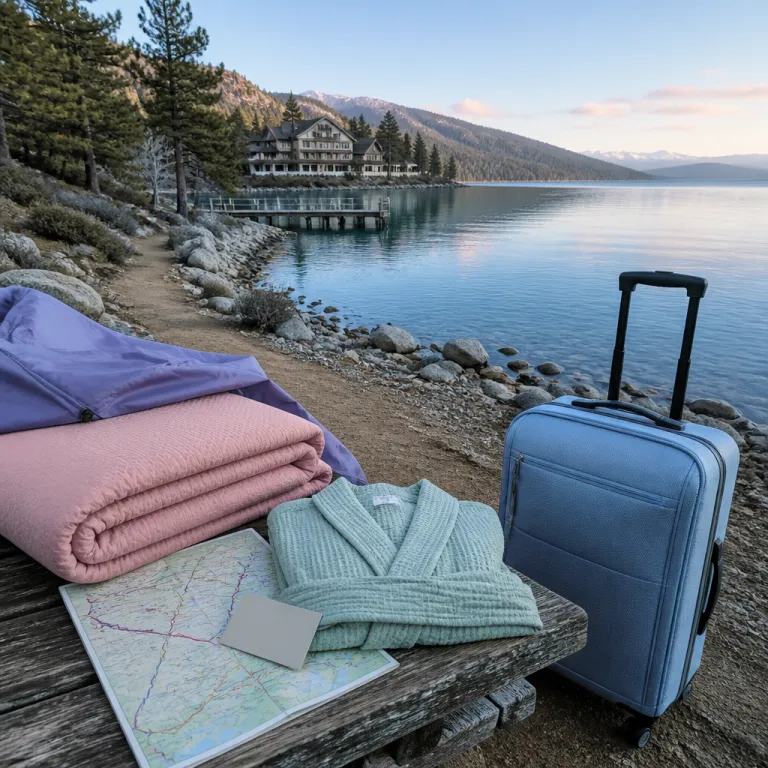
How lake tahoe camping sites complement a hotel stay
Lake Tahoe rewards travellers who split their stay between a hotel and carefully chosen Lake Tahoe camping sites. Many guests book a refined base in South Lake Tahoe or on the West Shore, then add one or two nights in a nearby lakeside campground to experience the water, forest, and stars at closer range. This mixed type of stay lets you enjoy resort style comforts while still waking up within walking distance of the lake and a quiet camp loop.
Think of your hotel as the hub and each selected campground as a satellite site that you visit for a few days at a time. You might spend three days in a lakeside resort, then move to Campground by the Lake in South Lake Tahoe for tent sites among tall pines, before returning to your hotel for spa time and room service. This rhythm works especially well in the Tahoe Basin, where driving times between a state park campground and major hotels are often under 30 minutes.
For many visitors, this blended approach also solves the reservation puzzle that surrounds every popular campground in Tahoe. When your scheduled arrival at a campsite does not align with your flights or road trip, a hotel night before or after the camp stay gives you welcome flexibility. If weather turns or smoke affects the area, you can cancel a reservation at a campground more confidently knowing a hotel room will be your backup base.
Choosing the right campground near your hotel
The most convenient Lake Tahoe camping sites for hotel guests cluster around South Lake Tahoe and the southwest shore. Campground by the Lake sits right in South Lake Tahoe, so you can walk from many hotels to this city run campground and still be minutes from restaurants and casinos. A short drive away, Camp Richardson and the adjacent Camp Richardson Resort offer a large recreation area with a marina, beach, and forested tent sites that pair naturally with nearby lakeside hotels.
Fallen Leaf Campground, set just above Fallen Leaf Lake, suits travellers who want quieter nights than South Lake yet still value a short drive back to their resort. Here, each loop of the campground offers a slightly different feel, from more open standard sites to sheltered tent sites closer to the water and the trailheads. D.L. Bliss State Park and Emerald Bay State Park, further along the West Shore, reward guests who do not mind a longer drive from their hotel in exchange for dramatic lake views and classic Tahoe hiking.
On the Nevada side, Zephyr Cove Resort and Nevada Beach Campground give hotel guests another style of stay, with drive in sites close to wide sandy beaches. These campgrounds sit within the broader Lake Tahoe Basin management unit, so rules on campfires, food storage, and quiet time are consistent with other sites in the basin management system. When comparing options, consider not only the park name and nightly cost but also how the campground’s area, access roads, and visitor center hours align with your hotel check time and planned activities.
Reservations, fees, and timing for hotel based campers
Because demand is high, Lake Tahoe camping sites usually require a reservation during the main season. Online systems typically open several months in advance, and a reservation fee is added to the standard nightly rate of roughly 50 US dollars, which is modest compared with most lakefront hotel rooms. For hotel guests planning a mixed stay, it is wise to secure both your resort booking and your camp reservation before arranging flights or long driving days.
When you make a reservation for a campground in the Tahoe Basin, pay close attention to the scheduled arrival and departure times. Your arrival will be tied to a specific check time, often mid afternoon, and if you miss that window without contacting the management unit, your card will be charged for at least the first night. Aligning hotel checkout with campground check in can be as simple as enjoying a leisurely brunch in South Lake Tahoe, then driving to Camp Richardson or Fallen Leaf Lake once your site is ready.
Policies on how to cancel a reservation vary slightly between each state park and private resort, so always read the fine print. In many cases, if you cancel a reservation close to your scheduled arrival, part of the reservation fee is non refundable while the remaining nights may be returned. Hotel guests should build this into their planning, using flexible hotel rates when possible so that changes in weather, smoke, or road closures do not force you to pay twice for the same nights.
What to expect at key lake tahoe camping sites
Each of the main Lake Tahoe camping sites has a distinct character that pairs differently with a hotel stay. Campground by the Lake feels almost urban by Tahoe standards, with its location in South Lake Tahoe giving you quick access to cafés, live music, and lakefront promenades after a quiet evening at your camp. By contrast, Fallen Leaf Campground near Fallen Leaf Lake offers a more secluded forest experience, where the sound of wind in the trees replaces the nightlife of the resort corridor.
Camp Richardson and the larger Camp Richardson Resort sit within a busy recreation area that appeals to active guests. Here you can rent bikes, walk to the marina, or join a lake cruise during the day, then retreat either to your tent sites in the pines or to a nearby hotel room depending on your chosen type of stay. D.L. Bliss State Park and Emerald Bay State Park provide classic Tahoe postcard views, but their camp loops are more compact, and parking can be tight, so they work best for travellers comfortable with smaller rigs or standard tents.
On the Nevada side, Nevada Beach Campground and Zephyr Cove Resort offer long sandy beaches and wide open lake views that feel almost coastal. These sites can be windy, which hotel guests may appreciate after hot days in town, but you should still secure tents carefully and plan for cooler evenings. Wherever you camp, expect bear proof food storage, clear rules posted by the basin management authorities, and a visitor center or ranger station within a short drive for maps, trail advice, and current fire regulations.
Practical tips for hotel guests adding camping nights
Hotel guests often underestimate how different the rhythm of camping feels compared with a resort stay. In a campground, your days are shaped by daylight, quiet hours, and the simple time it takes to cook, clean, and walk between your site and the lake. Planning shorter activity lists for your camping days will keep the experience relaxed and prevent the sense of rushing that can follow you from city life.
Pack with the idea that your hotel room is a staging area for the more minimalist camp. Leave heavy luggage and formal clothing at the resort, and bring only the camping type essentials to the park, such as a compact tent, sleeping bags, and a cooler that fits easily into bear lockers at any Tahoe Basin campground. One couple, for example, spent two nights at Fallen Leaf Campground with just a small duffel and cooler, then returned to their South Lake Tahoe hotel for a final night of hot showers and a late checkout.
Transport logistics also matter when you split time between a hotel and a campground. If you are flying in, consider renting a vehicle that can handle narrow camp loops and unpaved spur roads, rather than a very large SUV that may struggle with tight turns. Always confirm parking rules at both your resort and your chosen state park or private camp, as some hotels charge for overnight parking while some campgrounds limit the number of vehicles per site.
Environmental etiquette and safety in the tahoe basin
Lake Tahoe’s clarity and forests depend on visitors treating every campground and recreation area with care. The Lake Tahoe Basin management unit, which coordinates rules across state park lands and federal sites, emphasises bear safety, strict food storage, and careful handling of rubbish at every camp. When you move between a hotel and a campsite, it is easy to forget that snacks left in a car or open cooler can attract wildlife within minutes.
Before your trip, review current fire regulations and any seasonal restrictions on campfires or portable stoves in the basin management zone. Rangers at each visitor center will post updates on trail closures, smoke conditions, and water safety, and hotel concierges in South Lake Tahoe or on the West Shore often receive the same briefings. Many campgrounds provide bear proof lockers at every site, and using them correctly is as much a part of a standard camping stay as paying your reservation fee or respecting quiet time.
Responsible behaviour also extends to how you move between your resort and the park. Carpooling from a central hotel to nearby Lake Tahoe camping sites reduces traffic and parking pressure on narrow access roads, especially around Emerald Bay and Fallen Leaf Lake. Staying on marked paths, packing out all rubbish, and keeping noise low after dark ensures that both hotel guests and dedicated campers can share the same treasured lake and forest without diminishing the experience for others.
Key figures for lake tahoe camping and hotel stays
- There are roughly a dozen major campgrounds around Lake Tahoe that regularly serve visitors who also book hotels, giving travellers a broad choice of locations and facility levels across the basin (source: regional tourism and land management data).
- The average cost of a standard campsite is about 50 US dollars per night, which is significantly lower than most lakefront hotel rooms and makes a mixed hotel and camping stay attractive for longer holidays (source: federal recreation booking platforms).
- Most campgrounds operate for roughly 5 months each year, typically from late spring to mid autumn, so hotel guests planning to add camping nights should avoid assuming winter availability (source: local municipal campground information).
- Reservations for popular Lake Tahoe camping sites often open in early winter or several months ahead, and many weekends sell out within days, which means hotel bookings should be coordinated early to match confirmed campsite dates (source: regional reservation systems).
FAQ about combining lake tahoe camping sites with hotel stays
When do lake tahoe campgrounds open for the season ?
Most Lake Tahoe camping sites open in May, with exact dates depending on snow levels and road access. Reservations for many campground loops begin several months earlier, so hotel guests who want to add camping nights should plan well ahead. Always confirm opening dates with the specific state park or private resort before finalising flights and room bookings.
Can I make online reservations for both campgrounds and hotels ?
Yes, most campgrounds around Lake Tahoe use online reservation systems, and all major hotels in South Lake Tahoe and along the West Shore offer digital booking. When you reserve a campsite, you will usually pay a reservation fee in addition to the nightly rate, and your card will be charged if you miss your scheduled arrival without cancelling. Align your hotel and campground confirmations on the same calendar so that check time windows do not overlap awkwardly.
Are pets allowed at lake tahoe camping sites and nearby hotels ?
Pet policies vary widely between each campground and resort, so you must check both parts of your stay. Some state park campgrounds allow dogs on leash in the camp area but not on specific beaches, while certain hotels in South Lake Tahoe welcome pets in designated rooms only. Always verify rules before you arrive, as failing to do so can force you to cancel a reservation or change sites at the last minute.
Do campgrounds provide bear proof lockers and other safety features ?
Many Lake Tahoe camping sites, especially those within the Lake Tahoe Basin management unit, provide bear proof food lockers at each site. These lockers are considered a standard safety feature, and rangers strongly encourage guests to use them instead of leaving food in vehicles or tents. Hotels do not offer the same facilities, so when you move from a resort to a campground, adjust your habits and store all scented items properly.
Is it realistic to split a short trip between a hotel and a campground ?
For stays of three or four days, it can still be worthwhile to combine one or two camping nights with hotel time, especially if you choose a campground close to your resort. Campground by the Lake and Camp Richardson, for example, sit within a short drive of many South Lake Tahoe hotels, which keeps packing and travel time manageable. If your schedule is very tight, consider a single overnight camp followed by a return to your hotel for a final night of rest before travelling home.
Verified expert guidance on lake tahoe camping
“Book early; sites fill quickly.” “Check pet policies; some sites prohibit pets.” “Prepare for varying weather conditions.” “Be aware of bear activity; use bear proof lockers.” “Follow campfire regulations; restrictions may apply.”
