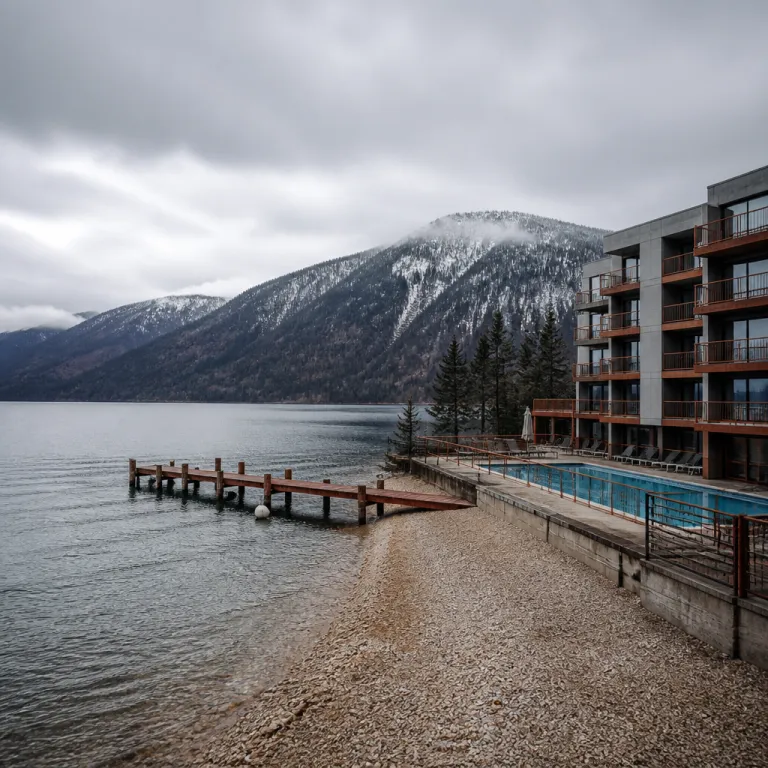
Why lake tahoe water temperature by month matters when choosing your hotel
Lake Tahoe is a high-altitude alpine lake in the United States, so the water stays relatively cold even when the air temperature feels warm on the shore. For anyone booking a hotel, understanding the typical lake water temperature by month helps you decide whether you want a heated pool, a spa, or direct access to the lake for swimming. If you plan a boat tour or a relaxed day on a beach, knowing the average water and air temperature patterns will shape your entire planning trip from the outset.
Unlike a sea-level beach destination, this deep lake warms slowly, and the surface temperatures show a marked lag behind the summer months air temperature. That is why the same July–August sunshine that feels hot on the sand can still mean cold water around your ankles, especially in the morning when the low overnight air temperature has cooled the shoreline. When you compare hotels in South Lake Tahoe or on the quieter north shore, you should always match their location and amenities to the typical Lake Tahoe water temperature by month so your expectations align with reality.
Guests who arrive expecting tropical sea warmth are often surprised by how cold Tahoe water feels even in August. If your ideal stay includes long swims rather than short dips, you will want to study the data on average water temperatures and the usual high–low range for each month before you confirm a reservation. This approach lets you choose between a property right on the beach for quick access to current water conditions or a hotel slightly inland with a heated pool that compensates for the naturally low temperature lake profile.
Lake tahoe water temperature by month: detailed monthly breakdown for swimmers
Monitoring stations around Lake Tahoe provide reliable data on water temperatures, giving a clear picture of how the lake changes from January through December. According to long-term records from the Tahoe Environmental Research Center and NOAA/National Weather Service buoys, the average winter surface water temperature hovers around 4–6 °C (39–43 °F), which means the water is genuinely cold and suitable only for brief immersion or well-equipped cold water swimmers. As the weather shifts and the air temperature rises in spring, the temperature lake surface warms slowly, so hotel guests should still expect very cold water even when the sun feels pleasant on the deck.
By June, the average water temperatures usually climb into the low teens Celsius (mid‑50s °F), and that is when more confident swimmers begin to enjoy short sessions close to the shore. Observational datasets for Lake Tahoe show that the average high water temperature in August reaches about 21 °C (around 70 °F), while the average low in January sits just under 4.5 °C (about 40 °F), and this high–low contrast explains why July–August is the prime season for longer swims. These figures are based on multi‑year buoy records rather than a single warm or cold year, which underlines how dramatic the seasonal swing can be.
Even in late summer months, though, Tahoe water still feels brisk compared with a typical sea resort, so families should plan for shorter dips and plenty of time warming up on the beach. When you check Tahoe today conditions, remember that current water readings can differ from the long‑term average, especially after a spell of unusually hot or cold weather. For hotel guests, the most practical strategy is to use the monthly forecast lake data as a baseline, then confirm the current water temperature today through local reports before deciding how much time to spend in the lake itself.
| Month | Average °F | Average °C |
|---|---|---|
| January | 40 | 4 |
| February | 40 | 4 |
| March | 41 | 5 |
| April | 43 | 6 |
| May | 48 | 9 |
| June | 55 | 13 |
| July | 65 | 18 |
| August | 70 | 21 |
| September | 65 | 18 |
| October | 58 | 14 |
| November | 50 | 10 |
| December | 43 | 6 |
How weather, wind and altitude shape lake tahoe water temperatures
The combination of high altitude, deep water and frequent wind keeps Lake Tahoe cooler than many other lakes in the United States. Because the lake is so deep, the average water temperature responds slowly to short bursts of hot or cold weather, which means a single heatwave rarely transforms the swimming experience overnight. Instead, the temperatures lake profile reflects weeks of accumulated sunshine, calm days and relatively warm air temperature over the surface.
Wind plays a subtle but important role, as strong breezes can mix surface layers and bring colder water up from below, suddenly dropping the temperature lake swimmers feel at chest depth. On days when the weather forecast predicts gusty wind, hotel guests planning a boat tour or paddle session should expect cooler Tahoe water at the surface, even if the sun is bright and the air feels warm on the deck. Calm days, by contrast, allow the sun to heat the upper layer of lake water, creating slightly higher water temperatures near popular beach areas such as those around South Lake Tahoe.
Altitude also affects how your body perceives both air temperature and cold water, because evaporation and breeze feel more intense at this elevation. A 21 °C (70 °F) water temperature in August at Lake Tahoe can feel cooler than the same reading at a lowland sea resort, especially when the air temperature drops quickly in the evening. When you review the Lake Tahoe water temperature by month charts, remember that the numbers only tell part of the story, and the interplay of wind, weather and altitude will shape your comfort level during every swim.
Choosing the right hotel by matching amenities to monthly water temperatures
Hotel selection around Lake Tahoe should always reflect how you plan to use the water during your stay. If you visit outside the warmest summer months, the lake water will be cold enough that most guests prefer a heated pool, hot tub or spa rather than extended time in the lake itself. In that case, prioritise properties where the high–low range of air temperature does not matter as much because you can move comfortably between indoor facilities and sheltered outdoor decks.
For guests arriving in July–August, when the average water temperatures reach their peak, a hotel with direct beach access becomes far more valuable. You can step from your room to the sand, test the current water temperature today with your feet and decide whether to swim, paddle or simply enjoy the view of the lake. In South Lake Tahoe, many shoreline hotels also offer easy access to marinas, so you can book a boat tour that lets you experience Tahoe water from a different angle while still returning quickly to your room to warm up.
Travellers who are sensitive to cold water should look for hotels that advertise heated pools and sheltered terraces, even in August when the lake is at its warmest. Those who enjoy brisk immersion can instead focus on locations closest to the clearest sections of lake water, where the temperatures lake surface is easiest to access at different times of day. Either way, aligning your accommodation with the Lake Tahoe water temperature by month ensures that the weather, water and amenities all work together to create a comfortable and memorable stay.
Safety, comfort and equipment: making the most of cold tahoe water
Cold water safety should be a priority for every visitor, even confident swimmers who are used to cooler lakes. At Lake Tahoe, the average water temperature remains low enough for much of the year that sudden immersion can cause a gasp reflex, so entering slowly from the beach is always wiser than jumping from a boat. Families staying in hotels should brief children about the difference between warm hotel pools and the colder Tahoe water, especially early or late in the season.
Wetsuits, neoprene tops and booties can extend your comfortable swimming time when the temperature lake surface sits below about 18 °C (mid‑60s °F). Many local operators who run a boat tour or paddleboard rental will advise on suitable gear for the current water conditions, and hotel concierges in South Lake Tahoe are used to helping guests interpret the latest data on water temperatures. When you check Tahoe today reports, pay attention not only to the headline water temperature but also to the forecast for wind and air temperature, because a strong breeze can make even August afternoons feel surprisingly brisk once you leave the water.
Guests interested in the growing trend of cold water immersion should plan carefully around the Lake Tahoe water temperature by month, starting with very short dips and building up gradually. It is wise to choose a hotel close to a sheltered beach, so you can exit quickly and warm up in your room or in a hot tub after testing the limits of your comfort. Remember that the high–low swing between daytime and nighttime air temperature at this altitude can be significant, so early morning swims will always feel colder than those taken later in the day.
Planning trip timing: matching your ideal experience to monthly conditions
Choosing when to visit Lake Tahoe is as important as choosing where to stay, especially if time in the water is central to your plans. The Lake Tahoe water temperature by month data shows that only a narrow window in late July–August offers conditions that most casual swimmers find comfortable for longer sessions. Outside that peak, the water remains cold enough that your enjoyment will depend heavily on whether your hotel offers alternative ways to relax near the lake.
Spring and autumn can be wonderful for guests who prioritise scenery, hiking and calm weather over swimming, because the air temperature is often pleasant even while the average water remains low. During these shoulder seasons, you can still enjoy a scenic boat tour, but you will likely spend more time on deck in warm layers than in the Tahoe water itself. Winter stays, by contrast, are best suited to those who come for snow sports and simply want to admire the temperatures lake surface from a distance, perhaps with a view from a lakeside room in South Lake Tahoe.
Whatever month you choose, use the forecast lake information as a guide rather than a guarantee, because short‑term weather shifts can nudge the current water readings a degree or two in either direction. When you arrive, ask your hotel for the latest data on water temperatures and air temperature so you can fine‑tune your daily plans. By aligning your planning trip with realistic expectations about lake water conditions, you ensure that every swim, paddle or shoreline walk feels like a deliberate choice rather than a compromise.
Key figures on lake tahoe water temperature by month
- Average high water temperature in August reaches about 21 °C (around 70 °F), making this the warmest month for swimming compared with the much colder early summer months.
- Average low water temperature in January sits just under 4.5 °C (about 40 °F), which is cold enough that unprotected immersion should be kept very brief for safety.
- From June to August, surface water temperatures typically rise by more than 8 °C (around 15 °F), a rapid seasonal change that transforms the comfort level for hotel guests who enjoy swimming.
- The difference between the average high in August and the average low in February is over 16 °C (about 29 °F), illustrating how strongly seasonality shapes the lake experience.
- Monitoring stations using thermometers and data loggers provide continuous readings, giving visitors reliable information on current water and air temperature trends throughout the year.
FAQ: lake tahoe water temperature and hotel stays
Is Lake Tahoe warm enough to swim in summer?
Yes, with average highs up to about 70 °F (around 21 °C) in August based on buoy data from the Tahoe Environmental Research Center and NOAA/NWS. During this peak period, most hotel guests find the lake water refreshing rather than uncomfortably cold, especially in the afternoon. Sensitive swimmers may still prefer short dips followed by time on the beach or in a heated pool.
How cold is Lake Tahoe in winter?
Average lows around 39.7 °F (about 4.3 °C) in January and February are typical of long‑term monitoring records. At these temperatures, the water is considered very cold, and only well‑prepared swimmers with appropriate gear should enter for brief periods. Most winter visitors enjoy the lake from the shore while focusing on snow sports and indoor hotel amenities.
Which month offers the most comfortable water temperatures for hotel guests?
Late July and August usually provide the most comfortable combination of air temperature and water temperature for casual swimmers. The average water temperatures peak then, and the weather forecast often shows stable sunshine with relatively light wind. Hotels with beach access are especially appealing in this window because you can move easily between your room and the lake.
How should I use water temperature data when booking a hotel?
Start by checking the Lake Tahoe water temperature by month for your intended travel dates, then decide how important swimming is compared with other activities. If the data shows low temperatures, prioritise hotels with heated pools, spas or sheltered terraces, while higher readings in August favour properties right on the beach. Always confirm current water and air temperature conditions with your hotel shortly before arrival to fine‑tune your plans.
Does wind affect how cold the water feels during my stay?
Yes, wind can both cool the lake surface and increase the chill you feel when you exit the water. On breezy days, even a moderate temperature lake reading can feel colder, especially if the air temperature drops quickly in the evening. When you review the forecast lake reports, pay attention to wind speed as well as temperatures to decide how long you want to spend in the water.
References
Tahoe Environmental Research Center (TERC) long‑term Lake Tahoe monitoring data, including multi‑year buoy records on average water temperatures by month.
National Weather Service and NOAA buoy records for regional weather, forecast lake conditions and lake temperatures.
Peer‑reviewed research on alpine lake climate, cold water safety and temperature trends in the Sierra Nevada.
