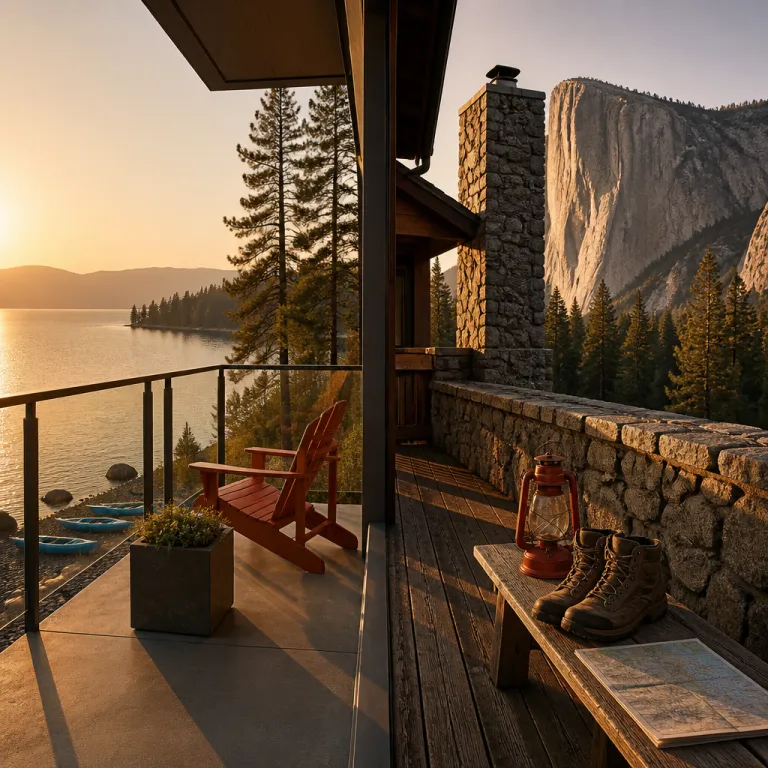
Lake Tahoe vs Yosemite vacation: what hotel guests really experience
Choosing between a Lake Tahoe vs Yosemite vacation starts with understanding how each place feels once you check into your hotel. Lake Tahoe is a vast alpine lake on the California and Nevada border, with resort corridors in South Lake and the north shore that put you close to casinos, marinas, bike paths, and a wide choice of properties. Yosemite National Park, by contrast, concentrates lodging inside or just outside the park gates, so your stay is shaped by road access, shuttle schedules, parking rules, and how quickly you can reach Yosemite Valley at peak travel time.
For many hotel guests, the decision is less about which lake or valley is more beautiful and more about how they want each day of the trip to unfold. In Lake Tahoe you can wake up to included breakfast overlooking the water, then be on a scenic road in minutes heading toward Emerald Bay or a side lake cove, while evenings might mean Nevada gaming floors, live shows, or relaxed wine bars. Inside Yosemite National Park, mornings often begin earlier, because you will want to beat the crowds to Yosemite Valley, Glacier Point, or the Yosemite Falls trail, and that rhythm shapes everything from when you book breakfast or lunch seatings to how long you stay out on the trail.
Visitor numbers underline how different a Lake Tahoe vs Yosemite vacation can feel in terms of scale and atmosphere. Lake Tahoe welcomes around ten million people each year, while Yosemite National Park sees about four and a half million, and those flows concentrate very differently in each destination. According to figures reported by SFGATE, drawing on regional tourism data, and by the National Park Service’s annual visitation statistics, that means a hotel on the South Lake shore may feel lively but rarely gridlocked, whereas a lodge near Yosemite Valley or along Tioga Pass can feel intensely busy at certain times of day, especially when every road trip into the park converges on the same scenic viewpoints and trailhead parking lots.
How location shapes your stay: lakeside resort strip or national park gateway
When you compare a Lake Tahoe vs Yosemite vacation from a hotel booking perspective, location is your most powerful lever. Around Lake Tahoe, you can choose between the entertainment focused South Lake strip in Nevada, quieter California coves near Emerald Bay, or elevated viewpoints above the lake that still keep the drive to the shore under fifteen minutes. Around Yosemite National Park, most rooms cluster in Yosemite Valley, along the road to Glacier Point, near Tioga Pass, or in gateway towns that sit outside the park boundary but offer easier parking, more dining, and more flexible check in times.
Staying in South Lake puts you close to marinas, lake cruises, bike rentals, and the main scenic road that loops around the lake, which is ideal if you want a flexible trip with half day outings and relaxed evenings. A hotel here often includes breakfast in the rate, and that included breakfast can be a real advantage before you set out for a hike on a lakeside trail or a longer road trip toward Mono Lake on the eastern side of the Sierra Nevada. In contrast, a lodge inside Yosemite Valley trades nightlife for immersion, because you will step outside and see granite walls, hear Yosemite Falls in spring, and be on the trail to Half Dome or Yosemite Falls within minutes of leaving your room.
Gateway towns such as those along the western approach roads to Yosemite National Park offer a different balance again, especially for travellers who want more dining choice and easier parking. You will usually drive into the park each day, so factor that road time into your Lake Tahoe vs Yosemite vacation planning, particularly if you hope to reach Glacier Point or Tioga Pass before the main tour buses. For some guests, a split stay works best, with a few nights by a side lake near Tahoe trailheads that connect toward the Tahoe–Yosemite corridor, then a few nights closer to dammed reservoirs near the park boundary outside the main valley to reduce daily elevation gain on long drives and avoid repeating the same long approach roads.
Trails, elevation gain, and how active your hotel base should be
Active travellers weighing a Lake Tahoe vs Yosemite vacation often focus on headline hikes, but your hotel choice quietly determines how realistic those ambitions feel. Around Lake Tahoe, many trails start close to the road, with moderate elevation gain and frequent lake views, which suits guests who want to return to a comfortable room and a hot shower before dinner. Classic options near South Lake include the Emerald Bay lookout paths, shoreline walks that trace the curve of the lake, and higher routes where you can see the wider Sierra Nevada range without committing to a full day expedition or technical climb.
Inside Yosemite National Park, the hiking profile is steeper and more intense, and that affects how you plan each day from your hotel base. The Yosemite Falls trail, for example, climbs sharply from Yosemite Valley, and the elevation gain can feel demanding even for fit hikers, while the route toward Half Dome requires permits, careful timing, and a very early start from any lodge in the valley. If you stay near Glacier Point Road or Tioga Pass, you will trade some convenience for quieter trailheads and cooler temperatures, but you must accept longer travel time back to your room, especially if you linger for sunset over small alpine tarns and high country meadows.
For guests who want a mix of activity levels, Lake Tahoe can be more forgiving, because you can tailor each hike to the weather and your energy without a long drive. A short lakeside trail near a side lake cove might fill a morning, followed by breakfast or lunch on a terrace and a relaxed afternoon cruise across the lake itself. In Yosemite National Park, by contrast, you will usually commit to a full day tour once you leave your hotel, so consider whether you prefer that intensity or the more flexible rhythm of a Tahoe Yosemite combination trip where you split nights between both regions and alternate demanding days with gentler scenic walks.
Seasonality, weather, and the best time to book your room
Seasonal patterns play a decisive role in a Lake Tahoe vs Yosemite vacation, especially when you are choosing dates for a hotel stay. Lake Tahoe functions as a year round resort, with winter snow sports, spring shoulder season calm, and warm summers when the lake becomes swimmable and the scenic road around the shore is fully open. Yosemite National Park, on the other hand, reaches its dramatic peak in late spring and early summer when Yosemite Falls roars, Yosemite Valley is lush, and access to Glacier Point and Tioga Pass gradually improves as snow clears from the high country.
Because of these differences, your booking strategy should adapt to the time of year and the type of trip you want. For a summer road trip through the Sierra Nevada, many travellers start in Lake Tahoe, enjoy a few relaxed days by the lake with included breakfast and easy access to South Lake marinas, then continue toward Mono Lake and the eastern entrance to Yosemite National Park via Tioga Pass once it opens, typically sometime between late May and early July depending on snowpack (based on National Park Service opening data). In cooler months, a Lake Tahoe stay can still feel rewarding thanks to lakeside spas, indoor pools, and Nevada casino entertainment, while some higher Yosemite trails remain snowbound and certain roads close, which makes a pure Yosemite National Park focused holiday less flexible.
Availability patterns also differ, and that matters when you are comparing hotel options. Properties in South Lake and along the Nevada shore often have more rooms and a wider price range, so last minute bookings are sometimes possible outside peak holiday weekends. Inside or near Yosemite Valley, however, rooms can sell out months ahead for popular dates, and because Yosemite National Park has limited in park lodging, you will need to secure your preferred hotel well in advance if your Lake Tahoe vs Yosemite vacation leans heavily toward the national park side of the itinerary.
Food, amenities, and what your hotel stay actually feels like
Beyond scenery, the comfort of a Lake Tahoe vs Yosemite vacation often comes down to what your hotel offers once you step back inside. Around Lake Tahoe, many mid range and upscale properties highlight included breakfast, lakeside terraces, fire pits, and easy access to restaurants where you can enjoy breakfast, lunch, or late dinners without driving far. In South Lake, Nevada side resorts add gaming floors, live music, and spa facilities, which can make the hotel itself a central part of the trip rather than just a place to sleep between hikes or boat tours.
Inside Yosemite National Park, the experience is more about proximity to nature than about extensive amenities, and that trade off is important to recognise before you book. Dining options in Yosemite Valley and at Glacier Point area lodges can be limited and often require advance reservations, so you will want to plan each day carefully, especially if you intend to spend long hours on the Yosemite Falls trail or exploring the floor of Yosemite Valley. Some properties offer simple included breakfast buffets, but you should not expect the same variety you might find at a large South Lake resort, which is why many travellers pack snacks for the road and treat their hotel as a quiet base rather than a full service entertainment hub.
For guests who value flexibility, Lake Tahoe hotels generally make it easier to adjust plans on the fly. You might return from a half day hike above the lake, rinse off, then decide whether to drive a short scenic road to a side lake beach or stay in and enjoy the hotel bar before dinner. In Yosemite National Park, by contrast, once you leave your room for a full day tour toward Half Dome viewpoints, nearby reservoirs, or the high country near Tioga Pass, you will probably not return until evening, so choose a room category that feels comfortable enough for early nights and early starts throughout your Lake Tahoe vs Yosemite vacation.
Who each destination suits best for a hotel based stay
When you frame the Lake Tahoe vs Yosemite vacation question around hotel based travel styles, clear patterns emerge. Lake Tahoe suits families, mixed ability groups, and travellers who want a balance of lake activities, gentle hikes, and nightlife, all anchored by a comfortable room in South Lake or a quieter cove along the California or Nevada shore. Yosemite National Park is better for guests who prioritise iconic landscapes such as Yosemite Valley, Half Dome, Yosemite Falls, and Glacier Point, and who accept that their hotel stay will be more functional and less resort like.
For families, the answer is often straightforward, and it comes directly from long term visitor trends. “Which is better for families? Lake Tahoe offers more family-friendly activities.” That reality shows up in the density of marinas, bike rentals, short lakeside trail options, and the number of hotels that bundle included breakfast with family sized rooms, especially around South Lake where the road network makes it easy to shorten or extend each day depending on children’s energy levels and weather changes.
Couples and photographers, by contrast, may lean toward Yosemite National Park, particularly if they dream of sunrise over Yosemite Valley or sunset from Glacier Point. A lodge inside or near the park reduces road trip fatigue and maximises your time on the trail, even if it means fewer dining options and a simpler breakfast or lunch routine. Many travellers ultimately choose a Tahoe Yosemite combination, starting with a few relaxed nights by the lake in the United States, then driving via Mono Lake and Tioga Pass into the heart of the Sierra Nevada for two or three intense days focused on Yosemite National Park highlights before returning to a lakeside hotel for a final unwinding night.
Practical planning tips for your Lake Tahoe vs Yosemite vacation hotel booking
Turning a Lake Tahoe vs Yosemite vacation from an idea into a confirmed hotel booking requires a structured approach. Begin by deciding whether you want a single base or a two centre trip, because that choice will determine how many nights you allocate to Lake Tahoe, Yosemite National Park, and any side lake or Mono Lake stopovers along the way. If you opt for a road trip through the Sierra Nevada, map out driving times between South Lake, Yosemite Valley, Glacier Point, and Tioga Pass, then layer in at least one rest day where you stay close to your hotel and enjoy the lake or park without a long drive.
Next, match your preferred activities to specific locations and amenities, paying close attention to elevation gain and trail access. Guests who prioritise water based days should focus on Lake Tahoe properties with direct shore access, easy parking, and included breakfast, so they can be on the water quickly each morning and still return in time for a relaxed breakfast, lunch, or early dinner. Hikers who dream of Yosemite Falls, Half Dome viewpoints, or quieter reservoirs near the park should aim for lodges inside or very near Yosemite National Park, accepting that rooms may be simpler but the time saved on the road each day will be invaluable.
Finally, book early and stay flexible, especially for peak travel periods when both destinations in the United States see heavy demand. “Is Yosemite crowded in summer? Yes, especially between June and September.” That reality means you should secure Yosemite Valley or Glacier Point area rooms as soon as reservations open, then fill in Lake Tahoe nights afterward, where the hotel market is broader and South Lake or Nevada side resorts often have more availability. With that sequence, your Lake Tahoe vs Yosemite vacation will feel intentional rather than improvised, and your hotel choices will support the kind of trip you actually want to have.
Key figures to guide your Lake Tahoe vs Yosemite vacation planning
- Lake Tahoe receives around ten million visitors each year, which is more than double the annual visitors to Yosemite National Park at about four and a half million, so hotel availability patterns and crowd levels differ significantly between the two destinations (data reported by SFGATE and the National Park Service’s published visitation reports).
- Yosemite National Park’s busiest period runs from June to September, when Yosemite Valley, Yosemite Falls viewpoints, and Glacier Point can feel congested, so booking in park lodging several months ahead is strongly recommended for those peak dates.
- Lake Tahoe’s accommodation stock is larger and more diversified than Yosemite’s, particularly around South Lake and the Nevada shore, which makes last minute bookings more feasible outside major holiday weekends.
- Driving between Lake Tahoe and Yosemite Valley via Mono Lake and Tioga Pass typically takes around five to six hours in summer, depending on traffic and stops, so travellers planning a combined Tahoe Yosemite road trip should factor at least one full transit day into their itinerary and remember that Tioga Pass is usually closed by snow from roughly November to late May.
FAQ: Lake Tahoe vs Yosemite vacation hotel choices
Which destination is better for families booking a hotel stay?
Families usually find Lake Tahoe more convenient, because South Lake and nearby Nevada resorts offer a wide range of hotels with included breakfast, easy lake access, and short drives to gentle trails. The variety of activities around the lake means you can adjust each day without committing to long drives into a national park. Yosemite National Park can still work for families, but the focus there is more on hiking, viewpoints, and sightseeing than on flexible, resort style downtime.
Is Yosemite too crowded in summer for a comfortable hotel based trip?
Summer in Yosemite National Park is busy, especially in Yosemite Valley and at Yosemite Falls and Glacier Point viewpoints. “Is Yosemite crowded in summer? Yes, especially between June and September.” To keep your stay comfortable, book in park lodging early, start each day before peak tour bus arrivals, and consider visiting high country areas near Tioga Pass where trails often feel quieter and parking is less pressured.
Can I realistically combine Lake Tahoe and Yosemite in one vacation?
Combining both destinations in a single Lake Tahoe vs Yosemite vacation is entirely realistic if you plan your road trip carefully. Many travellers spend three or four nights in Lake Tahoe, then drive via Mono Lake and Tioga Pass into Yosemite National Park for two or three nights near Yosemite Valley or Glacier Point. This structure allows you to enjoy lakeside relaxation and resort amenities first, then focus on high impact hikes and scenic viewpoints in the park before returning to the United States west coast gateways.
How far in advance should I book hotels for Lake Tahoe and Yosemite?
For Yosemite National Park, especially if you want to stay in or near Yosemite Valley, booking six to twelve months ahead for peak season is wise, because in park rooms are limited. Lake Tahoe has a larger inventory, so three to four months is often enough for popular dates, while shoulder seasons may allow more flexibility. If your dates are fixed and you want specific properties in South Lake or near Glacier Point, earlier booking always improves your options.
Which destination offers better nightlife and dining near hotels?
Lake Tahoe clearly leads on nightlife and dining, particularly around South Lake and the Nevada side where casinos, bars, and restaurants cluster near major hotels. You will find a broad choice of venues for breakfast, lunch, casual dinners, and late night drinks within walking distance or a short drive. Yosemite National Park offers simpler, more limited dining concentrated in Yosemite Valley lodges and a few other hubs, so evenings there are quieter and more focused on rest before the next day’s hikes.
