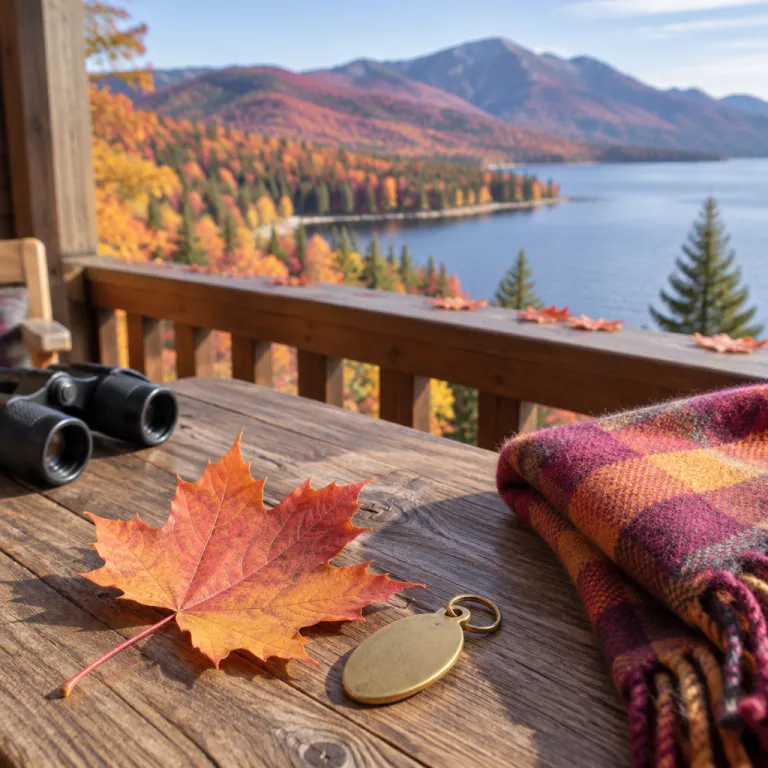
Understanding Lake Tahoe fall foliage dates for hotel planning
Lake Tahoe’s autumn color calendar shapes when hotel demand surges and when the shoreline feels quieter. Around the final week of September, the first hints of gold usually appear near higher elevation meadows and along exposed stretches of lakeshore, then the display intensifies. By early October, many travelers are already chasing what they hope will be the best color window for their stay.
Across the wider Tahoe basin, the most reliable fall color period typically stretches from the last days of September into about the third week of October, with subtle differences between North Lake and South Lake. Higher slopes above the water and exposed aspen groves often reach peak color earlier, while sheltered creek corridors and valley floors can hold leaves slightly longer. When you plan hotel nights around this pattern, you can time your stay to follow the progression of foliage from ridge tops down to the lakeshore.
For guests who want quieter properties and more flexible rates, arriving just before the main October weekends can be ideal. Booking a hotel for the transition from late September into the first or second week of October often balances thinner crowds with increasingly vivid color. If you prefer to gamble on absolute peak foliage, aim for stays that straddle roughly October 8–18 based on recent seasons, but secure cancellable rates because wind or early storms can shorten the viewing window around the lake.
North lake versus south lake: how foliage timing shapes occupancy
North Lake and South Lake respond differently to the autumn color cycle, and this matters when you choose where to book. North Lake tends to feel slightly quieter midweek in fall, with many guests focused on trail access above the lake and scenic drive itineraries rather than nightlife. South Lake, anchored by the main casino corridor, often keeps stronger weekend occupancy through October as visitors combine fall colors with entertainment.
On the North Lake side, hotels near Spooner Lake, Sand Harbor, and the state park trail network often see bookings spike when reports of peak color start circulating from local visitor centers and foliage trackers. Guests come for the contrast between deep blue water and the gold of aspen stands, then sometimes extend stays if color lingers along nearby creeks and valleys. Because of this pattern, flexible travelers occasionally secure better value by arriving just before the predicted peak and adjusting plans if conditions change.
South Lake properties near Emerald Bay and Taylor Creek usually track a slightly different curve, with strong demand around weekends when the Kokanee salmon run coincides with fall color. If you are comparing a Lake Tahoe hotel to a short-term rental, resources that explain how to choose between an Airbnb and a hotel in every season can clarify which option fits your October priorities. In practice, South Lake hotels often reward early planners who lock in dates around likely peak color, while spontaneous travelers may find more availability on the North Lake side once the first wave of foliage seekers has passed.
Where foliage appears first: elevation, microclimates, and hotel strategy
Elevation is the quiet force behind Lake Tahoe’s leaf-peeping calendar, and it directly influences where you should base your stay. Higher meadows and ridgelines above the lake cool sooner, so aspen groves there often reach peak color before the shoreline trees. This means that a hotel near a high-elevation trail can deliver early season fall color even while the main lake remains mostly green.
Hope Valley, south of the main lake, is a classic example where elevation and open meadows create an early and dramatic foliage display. Hotels in South Lake that offer easy access to Hope Valley via a short drive often see a first wave of guests in late September and the opening days of October, drawn by the broad valley floor and the ribbon of creek that reflects every shade of gold. When those meadows start to fade, the focus shifts back toward lakeside viewpoints around Emerald Bay, Sand Harbor, and Spooner Lake, where mid-October can still bring peak color.
Water temperature trends also influence how visitors use the shoreline during Tahoe’s shoulder season, even if they are not swimming. Guides that outline Lake Tahoe water temperature by month and explain how to choose the right hotel and time to visit can help you match your comfort level with the season. By pairing this climate knowledge with typical fall color timing, you can decide whether to prioritize a lakeside room for late reflections of foliage on the water or a mountain base that puts you closer to early October aspen stands.
Iconic drives and trails: matching routes to your hotel nights
Scenic drives and trail choices are central to how travelers experience autumn in Tahoe, so align them with where you sleep. The classic drive around the lake links North Lake and South Lake viewpoints, letting you chase color as it shifts from one area to another. If you book a hotel for several nights, you can dedicate one day to Emerald Bay and Taylor Creek, another to Sand Harbor and Spooner Lake, and a third to Hope Valley meadows and any favorite lakeside overlook.
For hikers, the best use of crisp October conditions often means starting early to catch calm reflections of foliage on the lake and along each creek. Short trails near Taylor Creek offer easy access to both the salmon run and nearby aspen stands, while longer routes above the valley give sweeping views of color bands across the basin. On the east shore, paths near Sand Harbor and the adjacent state park reveal how the deep blue lake contrasts with the warm tones of shoreline foliage, especially around mid-October when peak color is likely.
Guests who prefer gentle walks can focus on meadows and low-gradient paths, timing outings for the warmest part of the day in October. Those seeking more solitude might choose early midweek stays, when trail traffic drops and hotel corridors feel calmer despite ongoing fall foliage. By mapping your preferred drive and trail combinations before booking, you can select a hotel whose location minimizes transit time and maximizes your hours under the changing leaf canopy.
Seasonal travel patterns, occupancy trends, and rate strategies in Tahoe fall
Hotel occupancy in the Tahoe area follows a distinct shoulder-season rhythm around the autumn color period. After the busy summer stretch, bookings dip briefly before climbing again as the first reports of color arrive from higher meadows and valley slopes. This creates a short window when rates can be more favorable, especially for travelers willing to accept a small risk that peak color might arrive slightly earlier or later than expected.
As late September approaches, hotels near key foliage corridors such as Hope Valley, Emerald Bay, and Spooner Lake often see search interest rise. By early to mid-October, many properties in both North Lake and South Lake report strong weekend occupancy, driven by guests targeting what they believe will be peak color. Midweek, however, can remain comparatively calm, giving flexible travelers a chance to enjoy fall scenery with fewer crowds and sometimes better value.
When you evaluate whether a hotel-based escape is worth it during Tahoe’s fall season, consider both the likely color window and your tolerance for weather swings. Resources that assess whether Lake Tahoe is worth visiting for a hotel-based escape can help frame expectations about changing daylight, cooler nights, and the balance between indoor amenities and outdoor access. In practice, guests who book cancellable or adjustable rates around the central band of October dates, then watch real-time color reports from Hope Valley, Truckee, and the main lake, tend to secure a strong mix of scenery, comfort, and price.
Choosing the right side of the lake for your fall stay
Where you stay around the lake during Tahoe’s autumn season shapes not only your views but also your daily rhythm. North Lake often appeals to guests who prioritize quiet nights, easy access to trail networks, and quick drives to Sand Harbor, Spooner Lake, and nearby state park facilities. South Lake, by contrast, offers a denser cluster of hotels, dining, and entertainment, with fast access to Emerald Bay, Taylor Creek, and the road toward Hope Valley meadows.
If your main goal is to chase fall colors across multiple areas, a central base that allows efficient drive times to both North Lake and South Lake can be ideal. Guests who book three or four nights can dedicate one day to the Truckee corridor and its mix of creekside foliage and valley views, another to Hope Valley and its broad aspen stands, and a final day to shoreline viewpoints where reflections on the lake peak. This pattern follows the natural progression of fall foliage from higher elevations down to the main lake, aligning your hotel stay with the unfolding color sequence.
Travelers who value nightlife and varied dining may lean toward South Lake, especially in October when evenings grow cooler and indoor options matter more. Those who prefer early morning walks along quiet shorelines or contemplative time near a secluded creek might favor North Lake or smaller properties near the Truckee area. In either case, aligning your preferred atmosphere with the typical timing of Tahoe’s fall color ensures that your chosen side of the lake supports, rather than complicates, your seasonal travel plans.
Practical booking tips for aligning hotels with peak color
Aligning your reservation with the region’s foliage cycle requires a blend of planning and flexibility. Start by identifying the general window from late September through about mid-October, then decide whether you prefer to target early color at higher meadows or the later, richer tones around the main lake. Once you know your priority, you can choose between North Lake and South Lake based on which area offers the best access to your preferred scenic routes.
For many travelers, a strategy of booking slightly earlier than the historical peak color period works well. Arriving in late September or the first half of October lets you catch the first wave of fall color in Hope Valley and higher aspen groves, then follow the progression down toward Emerald Bay, Taylor Creek, and Sand Harbor. If the season runs late, you still enjoy cooler air, quieter trails, and the subtle shift in color along each creek and valley, even if absolute peak arrives after you leave.
Guests who must travel on fixed dates in October should focus on choosing hotels with strong access to multiple foliage zones, rather than chasing a single predicted peak. Properties that sit within reasonable drive times of Truckee, Hope Valley, and both North Lake and South Lake shorelines give you options if weather alters the timing of Tahoe’s fall display. By combining cancellable rates, midweek arrivals, and a willingness to adjust your daily drive or trail plans, you can turn variable foliage timing into an advantage rather than a risk.
Key figures on Lake Tahoe fall travel and foliage
- Regional tourism summaries from organizations such as the Lake Tahoe Visitors Authority and the North Lake Tahoe tourism office indicate that autumn accounts for roughly 15–20% of annual visitation, reflecting the growing appeal of Tahoe fall as a shoulder season for hotel stays. This range appears consistently in recent destination marketing reports and seasonal recaps.
- Historical climate data compiled by the Western Regional Climate Center show average daytime temperatures in October around 15–18 °C at lake level, which supports comfortable hiking and scenic drives during typical fall color dates. These averages are based on multi-decade records for stations near the shoreline, including South Lake Tahoe and Tahoe City.
- Elevation differences of roughly 300–600 m between valley floors and surrounding ridges can shift peak color timing by about 7–10 days, which explains why Hope Valley meadows often reach peak color before shoreline areas like Emerald Bay or Sand Harbor. Local ranger observations, state park interpretive notes, and long-running foliage reports regularly highlight this staggered pattern.
- Travel industry analyses and hotel benchmarking data from sources such as STR and regional lodging barometers suggest that midweek rates in fall can be 10–25% lower than weekend rates in the Tahoe area, especially outside of holiday periods, giving flexible travelers a financial incentive to target non-weekend stays.
- Traffic monitoring along key corridors such as Highway 89 and the road to Emerald Bay shows noticeable weekend spikes during peak color periods, reinforcing the value of early morning drives and midweek visits for guests seeking quieter foliage experiences. Seasonal traffic counts published by state transportation agencies and county reports support this pattern.
FAQ about Lake Tahoe fall foliage dates and hotel stays
When do Lake Tahoe fall foliage dates usually peak for most visitors?
Most years, the central window for fall color runs from late September through about the middle of October, with higher elevation meadows and Hope Valley often peaking first. Shoreline areas such as Emerald Bay, Sand Harbor, and Spooner Lake typically follow, so planning a stay that straddles early and mid-October increases your chances of seeing strong color. Because weather can shift timing by a week or more, flexible dates and cancellable hotel reservations are valuable.
Is North Lake or South Lake better for a fall foliage hotel base?
North Lake generally offers a quieter atmosphere with quick access to Sand Harbor, Spooner Lake, and several state park trail networks, which suits guests focused on hiking and photography. South Lake provides more concentrated lodging, dining, and nightlife, plus fast routes to Emerald Bay, Taylor Creek, and the road toward Hope Valley meadows. The best choice depends on whether you prioritize calm mornings on the lake or a livelier evening scene after your fall foliage outings.
How far in advance should I book a hotel for peak fall color?
For popular weekends around likely peak color in early to mid-October, booking your Lake Tahoe hotel six to eight weeks ahead is prudent, especially in South Lake. Midweek stays and late September dates often allow a shorter booking window, though specific properties near key foliage areas can still fill quickly. Choosing flexible rates lets you adjust if updated foliage reports suggest that peak color is shifting earlier or later.
Which areas are best for first-time visitors chasing fall colors?
First-time visitors often build an itinerary around Emerald Bay, Taylor Creek, Sand Harbor, Spooner Lake, and Hope Valley, because these areas combine accessible trails, strong fall color, and classic lake views. Staying in either South Lake or North Lake with easy access to Highway 89 and the main loop drive allows you to reach all of these spots within reasonable drive times. This approach lets you follow the progression of foliage from higher meadows down to the main lake during your stay.
Can I still enjoy Lake Tahoe if I miss the exact peak color dates?
Even if you arrive slightly before or after peak color, Tahoe fall offers crisp air, quieter trails, and expansive lake views that many guests prefer to summer crowds. Early visits may reveal subtle color shifts in higher meadows and valley slopes, while later stays can feature golden patches along creeks and reflective calm on the lake. With thoughtful hotel location choices and flexible daily plans, your trip can feel rewarding even outside the absolute peak color window.