Planning an elegant road trip from Las Vegas to Lake Tahoe
Driving from Las Vegas to Lake Tahoe is a refined way to arrive with full control over your schedule. The journey covers roughly 718 kilometres (about 446 miles) from the bright lights of Las Vegas in Nevada to the deep blue of the alpine lake, and it rewards travellers who plan carefully for both the road and their eventual hotel stay. When you treat this long drive as the prologue to your Lake Tahoe holiday, every choice from route to rest stop shapes the tone of your time at the lake.
The most direct route from Las Vegas to Lake Tahoe usually follows US 95 north through the desert, then US 50 west into the Sierra Nevada, and this combination balances efficiency with scenery for travellers who value comfort and time. Travelmath distance and time estimates for the Las Vegas–South Lake Tahoe corridor broadly support this outline, and travel specialists often summarise the essentials of driving this corridor with three core tips: check weather conditions, plan fuel stops and be aware of road closures. These points matter even more if you have a non refundable hotel reservation waiting in South Lake or on the quieter north shore. Because the distance from Las Vegas is significant and the desert climate can be harsh, you should confirm your vehicle’s cooling system, tyres, brakes and navigation before leaving the city, and review current Nevada and California highway advisories from the Nevada Department of Transportation (NDOT) and Caltrans.
For discerning guests, the road trip is also a chance to align the mood of the drive with the style of the hotel you have chosen around Lake Tahoe. If you have booked a lakefront suite in South Lake Tahoe with direct access to the water, you may prefer a slightly longer route that passes near Death Valley National Park or Red Rock Canyon to add drama before arriving at the calm lakes. Those heading to a secluded lodge on the north side of the lake might instead favour a smoother Nevada highway option that avoids heavy traffic, offers gentler gradients and allows a relaxed arrival window that fits your planned check in time.
Choosing the right route through Nevada and California
The classic way of driving from Las Vegas to Lake Tahoe is the US 95 and US 50 route, which threads north through Nevada before turning west into California. This road trip route keeps you mostly on well maintained highways, passes several small towns such as Indian Springs, Beatty, Tonopah, Hawthorne and Fallon where you can refuel, and positions you to reach either South Lake Tahoe or the north shore without complicated detours. For travellers with firm hotel check in times, this balance of predictability, services and scenery is usually preferable to more remote alternatives.
Some guests, however, want their journey from Las Vegas to feel like a curated tour of the American West, and they are willing to extend the drive to include iconic landscapes such as Death Valley and the red rock formations near Las Vegas. One popular variation leaves Las Vegas for Death Valley National Park via Pahrump, continues past valley viewpoints such as Zabriskie Point and Badwater Basin, then rejoins the main Nevada highway system near Beatty or Lone Pine before climbing toward the Sierra Nevada and Lake Tahoe. This approach adds distance and time to the trip, yet it can transform a simple transfer from Las Vegas into a memorable chapter of your holiday, especially if you schedule a night in a desert lodge or boutique inn before continuing to the lakes.
Another sophisticated option for driving from Las Vegas to Lake Tahoe involves looping through eastern California near Mammoth Lakes and Mono Lake before turning north toward the lake. When Tioga Pass (California State Route 120) is open, typically from late May or June until around November depending on snowfall according to National Park Service and Caltrans seasonal data, some travellers extend this road trip into Yosemite National Park, using the high Sierra Nevada entrance to experience granite peaks and alpine lakes before reaching their hotel. This Yosemite focused route is not the fastest from Las Vegas, but for guests who appreciate national parks, dramatic mountain scenery and varied terrain, it can be the most rewarding way to approach Lake Tahoe.
Scenic highlights along the way for discerning travellers
For many guests, the appeal of driving from Las Vegas to Lake Tahoe lies in the contrast between stark desert and cool alpine lake. Leaving Las Vegas, you quickly trade neon for open desert road, and if you choose the Red Rock Canyon area as an early stop, you can stretch your legs among red sandstone cliffs before the longer highway sections. This first pause sets a slower, more reflective rhythm for the trip, which suits travellers heading toward tranquil lakeside hotels and spa style resorts.
Continuing north through Nevada, the landscape opens into wide valley floors framed by distant ranges, and this is where careful planning of fuel and food stops becomes essential because services can be sparse between small towns. For example, the distance between Beatty and Tonopah on US 95 is roughly 170 kilometres (about 105 miles), while Tonopah to Hawthorne is about 170 kilometres (around 106 miles), so topping up your tank before leaving each town is wise. If you divert toward Death Valley, you will encounter some of the lowest elevations in North America, and the heat here can be intense, so schedule this segment early in the day and ensure your vehicle is well supplied with water and sun protection. From this valley region, the climb toward the Sierra Nevada feels almost theatrical, especially if you later pass near Mammoth Lakes or Mono Lake, where cooler air and higher elevations signal your approach to Lake Tahoe.
Guests who choose the Yosemite National Park extension will find that the road trip acquires a different character once they enter the park’s granite canyons and forests. The drive past Yosemite Valley, with its sheer cliffs and waterfalls, contrasts sharply with the desert outside Las Vegas, and it prepares you for the deep blue of Lake Tahoe and the forested slopes around both South Lake and the quieter north shore. By the time you reach Emerald Bay on the western side of the lake, the journey from Las Vegas will feel like a carefully composed progression of national parks, canyons and lakes rather than a simple transfer between two destinations.
Timing, safety and seasonal considerations on the Tahoe road
The drive from Las Vegas to Lake Tahoe typically takes around seven and a half hours without extended stops, so most discerning travellers treat it as a full day on the road. If you have a confirmed hotel reservation in South Lake Tahoe or on the north shore, aim to depart Las Vegas early enough to arrive before dusk, which makes check in smoother and allows you to appreciate the lake views. This timing also reduces fatigue, which is important on long stretches of Nevada highway where the road can feel monotonous and distances between towns are long.
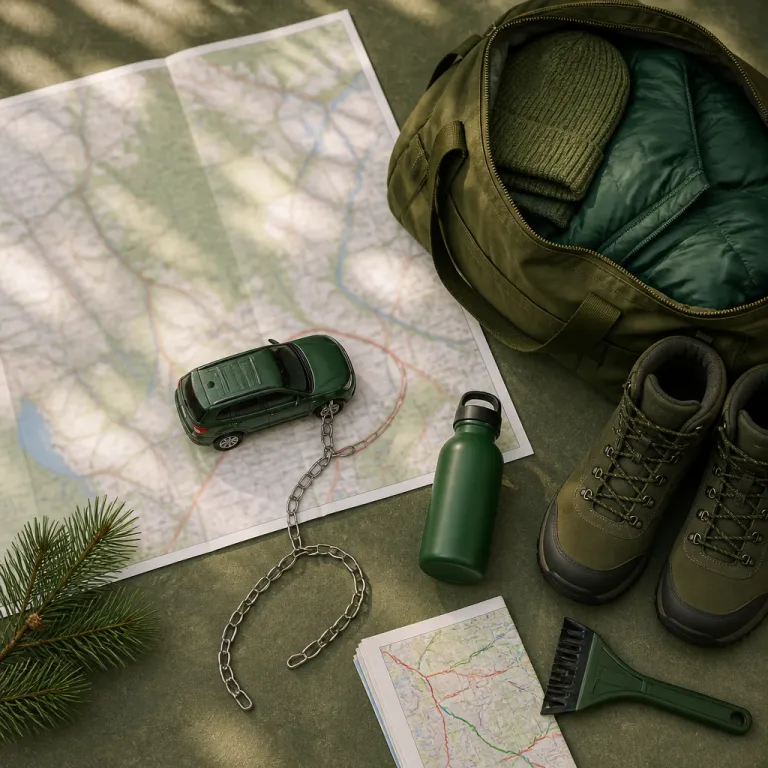
Seasonal conditions along the Tahoe road can change the character of the trip, especially as you approach the Sierra Nevada and the higher passes near California. In winter, snow and ice are common near Lake Tahoe, and some routes may require chains or even close temporarily, so always check Caltrans and Nevada Department of Transportation advisories before leaving Las Vegas. Caltrans chain control rules often require snow chains or approved winter tyres on US 50 and other approaches during storms, while NDOT updates will highlight any restrictions on US 95 and US 395. Summer brings clearer roads but also higher temperatures in Death Valley and other low valley areas, which makes it essential to manage air conditioning use, hydration and rest breaks carefully during the road trip, particularly on exposed stretches of US 95.
Safety also extends to navigation and communication, because mobile coverage can be inconsistent between Las Vegas and the lake, particularly near remote canyons and national parks. Download offline maps for Nevada and California, carry a paper road atlas as a backup, and share your planned route with your hotel so they know when to expect you. If you plan to visit hot springs, remote state park campgrounds or lesser known lakes along the way, inform the hotel front desk of your approximate arrival time, especially when driving after dark on mountain roads where wildlife and changing weather can affect travel time.
Aligning your Lake Tahoe hotel choice with your driving route
Where you choose to stay around Lake Tahoe should influence how you design your drive from Las Vegas, because each shoreline offers a different atmosphere. South Lake Tahoe, often simply called South Lake by locals, combines lively casinos, restaurants and lakefront resorts, which suits guests who enjoy energy after a long road trip. The north shore, by contrast, offers quieter lakeside lodges and refined properties that appeal to travellers seeking calm and privacy after the desert drive from Las Vegas.
If your hotel is in South Lake Tahoe, the US 50 approach from Nevada delivers you almost directly into the town, and this route keeps you close to services and viewpoints as you descend toward the lake. Guests staying on the north side, near Incline Village or Tahoe City, may prefer to circle the lake’s eastern shore first, enjoying views across the water before reaching their hotel, and this path can feel especially elegant at sunset. In both cases, planning your final approach so that you first glimpse the lake in daylight enhances the emotional impact of arriving after many hours on the road from Las Vegas.
Some travellers choose to split the journey from Las Vegas into two days, staying overnight near Mammoth Lakes, Mono Lake or in a small Nevada town such as Tonopah before continuing to Lake Tahoe. This approach reduces fatigue and allows you to arrive at your hotel refreshed, ready to enjoy amenities such as spa treatments, fine dining or private lake access. When you book, inform the property that you are driving from Las Vegas so they can advise on parking, late check in options and the most suitable Tahoe road approach for current conditions.
Extending your journey with national parks, canyons and lakes
For guests with flexible schedules, driving from Las Vegas to Lake Tahoe can become the centrepiece of a wider exploration of national parks and lakes across Nevada and California. One refined itinerary links Las Vegas with Red Rock Canyon, Death Valley National Park, the hot springs region near Mammoth Lakes, Mono Lake and finally Lake Tahoe, creating a sequence of contrasting landscapes. This style of road trip suits travellers who enjoy pairing luxury hotels with days spent in wild canyons, on lakeshores and along quiet state park trails.
Another option is to frame Lake Tahoe as the northern anchor of a loop that begins and ends in Las Vegas, passing through Yosemite National Park and other Sierra Nevada highlights. You might drive from Las Vegas to Death Valley, continue to the eastern Sierra near Mammoth, cross into Yosemite National Park when passes are open, then exit toward Lake Tahoe before returning south via a different Nevada route such as US 395 and US 95. This circuit allows you to experience multiple national parks and lakes while still enjoying sophisticated accommodation each night, whether in South Lake Tahoe, on the north shore or back in Las Vegas.
Even shorter extensions can enrich the experience of driving from Las Vegas to Lake Tahoe, such as a detour to a lakeside state park on the Nevada side of the lake or a visit to Emerald Bay on the California shore. These stops offer classic views of the lake and surrounding mountains, and they pair beautifully with a stay in a lakeview suite or a secluded forest lodge. By treating the road from Las Vegas as part of the holiday rather than a mere transfer, you create a coherent journey that links desert, canyon, valley and lake into a single elegant narrative.
Key figures for driving from Las Vegas to Lake Tahoe
- The distance when driving from Las Vegas to Lake Tahoe is approximately 718 kilometres (about 446 miles), which typically translates into about seven and a half hours of driving time in normal conditions according to Travelmath data for the Las Vegas–South Lake Tahoe route.
- Average one way fuel cost for a standard petrol vehicle on this route is estimated at around 98 US dollars, based on typical fuel prices and consumption reported by Travelmath for the Las Vegas to Lake Tahoe corridor; actual costs vary with vehicle efficiency and current pump prices.
- Travellers usually cross at least two states, Nevada and California, and pass near three major protected areas—Death Valley National Park, Yosemite National Park and Lake Tahoe Nevada State Park—when planning scenic variations of the route that use US 95, US 395 and US 50, with detours from towns such as Beatty, Lone Pine or Lee Vining.
- Elevation gain from Las Vegas, which sits at roughly 610 metres (about 2,000 feet) above sea level, to Lake Tahoe, which lies around 1,897 metres (about 6,225 feet), means drivers experience more than 1,200 metres of vertical change during the trip, so vehicles and passengers should be prepared for cooler temperatures at higher passes.
FAQ about driving from Las Vegas to Lake Tahoe
What is the best route from Las Vegas to Lake Tahoe?
The most efficient route for driving from Las Vegas to Lake Tahoe usually follows US 95 north through Nevada and then US 50 west into the Sierra Nevada. This combination offers reliable road conditions, regular fuel stops in towns such as Beatty, Tonopah and Hawthorne, and straightforward access to both South Lake Tahoe and the north shore hotels. Scenic alternatives exist, but this route balances time, comfort and safety for most travellers.
Are there scenic stops along the way?
There are several notable scenic stops between Las Vegas and Lake Tahoe, including Red Rock Canyon near Las Vegas and Death Valley National Park further west. Depending on the season and road openings, you can also incorporate Mammoth Lakes, Mono Lake or even Yosemite National Park into your road trip. Each of these locations offers distinct landscapes that contrast beautifully with the final views of Lake Tahoe and can be reached with modest detours from the main highways.
How long does it take to drive from Las Vegas to Lake Tahoe?
Under normal conditions, the direct drive from Las Vegas to Lake Tahoe takes around seven and a half hours without extended sightseeing stops, based on Travelmath estimates for the route. This figure assumes steady highway speeds, minimal traffic delays and only short breaks for fuel or food. Travellers who add national parks or canyons to their itinerary should plan for a longer overall journey or consider an overnight stop.
Is it safe to drive this route in winter?
Safety in winter depends largely on conditions in the Sierra Nevada near Lake Tahoe, where snow and ice are common and some passes may close temporarily. The desert sections between Las Vegas and central Nevada are usually clear, but the final approach to the lake can require chains or winter tyres according to Caltrans and Nevada DOT chain control rules, so always check highway advisories before departure. If conditions look challenging, consider delaying your trip or booking a hotel night en route to avoid driving mountain roads after dark.
Should I book my Lake Tahoe hotel before starting the drive?
For discerning travellers, booking your Lake Tahoe hotel before leaving Las Vegas is strongly recommended, especially during peak seasons and holiday periods. Confirmed reservations in South Lake Tahoe or on the north shore allow you to plan your driving schedule precisely and avoid last minute stress after a long day on the road. With a room secured, you can tailor your route, stops and arrival time to match the style and check in policies of your chosen property, and adjust if Caltrans or National Park Service updates affect your preferred itinerary.
