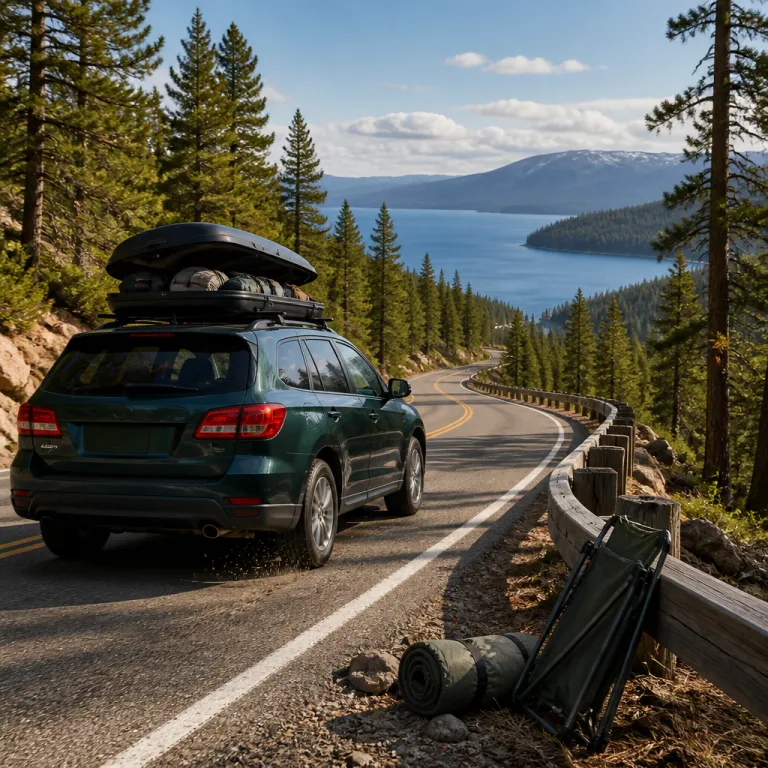
Designing your Lake Tahoe road trip from San Francisco
The classic drive from San Francisco to Lake Tahoe begins where the Pacific meets the hills. As soon as you leave the city and join the main California highways, the scenery shifts quickly from coastal skylines to rolling vineyards and then to the rising spine of the Sierra Nevada. This is the moment when the journey itself becomes part of the holiday, not just the way to reach a lakefront hotel in Tahoe.
Most travelers choose between Interstate 80 toward the North Lake Tahoe areas and US 50 toward the south shore. The I‑80 drive is usually the best option if you plan to stay in Tahoe City, Truckee, or Incline Village, while US 50 suits guests who prefer South Lake and the livelier resort atmosphere near the state line. Official guidance for this corridor notes that the distance from San Francisco to Lake Tahoe is about 200 miles and the drive time is approximately three to three and a half hours without stops, which matches what seasoned drivers experience on a clear day.
Before leaving San Francisco, confirm that your vehicle is roadworthy and that your navigation system is updated. The high Sierra weather can change quickly, so check forecasts for the Sierra Nevada passes and for each state park or national park you might visit along the way. A thoughtful plan for fuel, food, and rest breaks turns a simple road trip into a relaxed journey that sets the tone for your stay beside the lake; even a quick coffee stop in the foothills can make the final climb feel easier.
Choosing your route: north lake versus south lake stays
Route choice on a Lake Tahoe road trip from San Francisco should match the style of hotel stay you want. If you head from the Bay Area along I‑80, you naturally arrive near Truckee, Tahoe City, and the north lake shoreline, where many properties focus on quiet comfort, lake views, and easy access to high Sierra trails. Guests who prefer a livelier scene with casinos, nightlife, and a dense cluster of hotels usually follow US 50 toward South Lake and the Nevada border.
The Northern California stretch of I‑80 passes through Sacramento and then climbs steadily into the Sierra Nevada, giving you time to adjust to the altitude before reaching the lake. This route is ideal if you plan several day trips to Sand Harbor, Incline Village, or a nearby state park, because the drive between these north shore communities is short and scenic. By contrast, the US 50 road from San Francisco delivers you directly to South Lake, close to the gondolas, the lakeside promenade, and the boat piers that serve Emerald Bay cruises.
Some travelers design a loop, arriving via I‑80 to explore Truckee and Tahoe City, then departing via US 50 after a night or two in South Lake. This circular plan allows you to compare the quieter north lake ambience with the energetic south lake rhythm during the same trip. It also breaks up the return drive from Tahoe to the city, turning the California road network into part of the fun rather than a single long final day behind the wheel.
Unmissable stops between San Francisco and the lake
A refined Lake Tahoe road trip from San Francisco rewards those who slow down for a few curated stops. Leaving from the city, you can angle slightly north toward Napa Valley if wine tasting and vineyard views appeal before you climb toward the Sierra Nevada. This detour adds time to the drive, but many travelers consider a leisurely lunch among the vines, with the car already packed for the mountains, a great way to start a holiday beside the lake.
Continuing east, Sacramento offers a direct link to the Gold Rush era, with its preserved streets and museums that explain how this California city grew during the nineteenth century. Spending even an hour in the historic district gives context to the mining towns you will later pass near Truckee and Carson City, and it breaks the road trip into manageable segments. Families often appreciate this pause, because children can stretch their legs in a riverside park before the high Sierra climb begins in earnest.
Once you reach the foothills, the road begins to wind and the air cools as you approach the Sierra Nevada crest. On the I‑80 route, a short detour into Truckee reveals a compact town with galleries, cafés, and hotels that work well for a first night before you continue to the lake the next day; many regular visitors recommend an early dinner on the historic main street followed by a quiet walk along the river. If you follow US 50 instead, scenic pullouts along the American River provide quick photo stops that keep the drive from feeling monotonous and remind you why this part of Northern California is so admired.
Where to stay: matching Lake Tahoe areas to your travel style
Hotel selection is the most important decision on any Lake Tahoe road trip from San Francisco, because your base shapes every day of the stay. Around North Lake, properties in Tahoe City and Incline Village tend to emphasise lake access, calm evenings, and proximity to hiking routes in the high Sierra. Guests who value early nights, quiet mornings, and quick access to Sand Harbor or a nearby state park usually feel at home in this part of Tahoe.
South Lake, by contrast, feels more like a compact resort city, with a dense cluster of hotels, restaurants, and entertainment venues near the Nevada border. This area suits travelers who want to park the car once and then walk to the beach, the marina, and the gondola, turning each day into a sequence of short, fun strolls rather than longer drives. Many visitors split their trip between north lake and south lake hotels, enjoying two or three nights of calm followed by a final night in the livelier district before returning to San Francisco.
On the Nevada side, Incline Village offers refined lakeside properties with easy access to Sand Harbor, while Carson City provides more urban style hotels at often lower rates. Staying in Carson City can work well if you plan to explore both Lake Tahoe and the wider Sierra Nevada region, because the drive to the lake is short and the city services are comprehensive. Whatever you choose, confirm parking policies, lake access details, and any resort fees in advance, so that the financial side of the trip remains as clear as the lake water itself.
Designing your days around Emerald Bay, Sand Harbor, and the parks
Once you arrive after the Lake Tahoe road trip from San Francisco, the rhythm of your days will depend on how you balance relaxation with exploration. Many guests plan at least one full day around Emerald Bay, whose sheltered waters and surrounding peaks create one of the most photographed scenes in Northern California. Reaching Emerald Bay from South Lake is a short but winding drive along a high road, so allow extra time for traffic and for safe stops at the viewpoints.
On the north and east shores, Sand Harbor and the nearby state park areas near Incline Village offer gentle beaches, clear shallows, and well maintained facilities. These locations are ideal for families who want a fun yet manageable day by the lake, with parking, restrooms, and rental services close to the sand. From hotels in Tahoe City or Truckee, you can also reach several trailheads that lead into the high Sierra, giving hikers direct access to panoramic views over the lake and the wider Sierra Nevada range.
Some travelers use Lake Tahoe as a base for wider excursions into the mountains and valleys beyond. While there is no major national park immediately on the shoreline, the broader region connects easily to several protected areas and to historic Gold Rush towns that still preserve their original street plans. With careful planning, you can alternate active days on the water with quieter cultural outings, ensuring that every part of the trip from San Francisco feels balanced and rewarding.
Practical tips for timing, seasons, and a smooth return drive
Timing your Lake Tahoe road trip from San Francisco requires attention to both traffic and weather. Weekends and holiday periods can extend the drive time significantly, especially on the final approach to South Lake or the junctions near Truckee and Tahoe City. Leaving the city early in the day or travelling midweek often results in a calmer road experience and more time beside the lake.
Winter brings snow to the Sierra Nevada and the high passes, which transforms Tahoe into a ski destination but also demands careful preparation. Carry chains when required, check live road reports from state transport agencies, and allow extra time for the California road climb, because conditions can change quickly at high altitude. In summer, by contrast, the main challenge is parking at popular beaches such as Sand Harbor and Emerald Bay, so arriving early in the morning or later in the afternoon can make the day feel far more relaxed.
On the return from Tahoe to San Francisco, some travelers choose a different route to keep the trip fresh. For example, you might leave from South Lake via US 50, then cut toward Napa Valley for a final night among the vineyards before re‑entering the city. Others prefer a direct drive from north lake or Carson City back to the Bay Area, stopping only for a final meal in a Gold Rush town to mark the end of a great journey between the mountains and the coast.
Key figures for a Lake Tahoe road trip from San Francisco
- The distance from San Francisco to Lake Tahoe is roughly 200 miles, which usually translates into three to three and a half hours of driving in light traffic according to regional tourism data.
- Interstate 80 is generally the fastest route to North Lake Tahoe, while US 50 is considered better for direct access to South Lake Tahoe, giving travelers two clear options depending on their chosen hotel area.
- Many visitors plan at least three nights at the lake to justify the drive time, allowing one arrival day, one full day on the water, and one day for high Sierra hiking or cultural excursions.
- Elevation at lake level is about 1 900 metres, so guests arriving from sea level in San Francisco should allow a day to adjust before attempting strenuous Sierra Nevada hikes.
FAQ about a Lake Tahoe road trip from San Francisco
What is the best route from San Francisco to Lake Tahoe?
I‑80 for North Lake Tahoe; US 50 for South Lake Tahoe.
How long does the drive from San Francisco to Lake Tahoe take?
Under normal conditions, most drivers cover the distance in about three to three and a half hours, but you should add extra time during winter storms or peak holiday weekends.
Are there notable stops along the way that suit hotel focused travelers?
Yes, many guests pause in Napa Valley for wine tasting, in Sacramento for Gold Rush history, or in Truckee for a first night in the Sierra Nevada before continuing to their main lake hotel.
Is it realistic to do Lake Tahoe as a day trip from San Francisco?
While a very determined driver could complete the return road trip in one long day, the combined drive time and mountain roads make an overnight stay in Tahoe far more comfortable and enjoyable.
Should I book my Lake Tahoe hotel in advance for this road trip?
Advance reservations are strongly recommended, especially for summer, winter weekends, and holidays, because both North Lake and South Lake properties often reach high occupancy well before the travel date.
